Skin, hair, and appearance-related topics are commonly discussed in everyday life, educational resources, and broader health conversations. These topics can involve visible changes, surface-level characteristics, or patterns people notice involving the skin, hair, nails, or physical appearance.
Because appearance-related terminology can sometimes feel confusing or highly specialized, understanding foundational concepts can make educational health information easier to follow. Learning common terms and broader categories can provide useful context when exploring related topics.
This guide provides an educational overview of common skin, hair, and appearance conditions, frequently used terminology, and examples of related topics. This content is intended for educational purposes only and does not provide medical advice, diagnosis, or treatment.
What Are Skin, Hair, and Appearance Conditions?
Skin, hair, and appearance conditions broadly refer to topics involving visible characteristics or changes affecting the body’s outer appearance.
These discussions may involve:
- Skin texture
- Hair growth patterns
- Scalp-related concerns
- Nail appearance
- Color or pigmentation changes
- Surface-level symptoms
- Visible physical characteristics
Educational discussions often organize these topics into broader categories to improve understanding.
Why Appearance-Related Topics Can Vary
One important concept in educational health information is that appearance-related experiences often vary significantly between individuals.
People can experience differences involving:
- Frequency
- Severity
- Duration
- Triggers
- Environmental influences
- Age-related changes
- Daily routines
Because visible characteristics can differ naturally, educational discussions often emphasize variability and context.
Learn more:
👉 What Is a Variable Condition?
Common Terms Used in Skin and Appearance Discussions
Health-related information often includes descriptive terminology that explains broader patterns.
Acute
Acute commonly refers to experiences that develop suddenly or occur over shorter periods.
Chronic
Chronic is often used when discussing long-term or recurring patterns.
Inflammation
Inflammation is a frequently discussed concept involving visible or physical changes.
Learn more:
👉 What Is Inflammation?
Sensitivity
Sensitivity commonly appears in educational discussions involving reactions or responses involving the skin.
Understanding common terminology can make broader health topics easier to understand.
Examples of Commonly Discussed Skin, Hair, and Appearance Conditions
Many appearance-related topics frequently appear in educational resources.
Acne
Acne is one of the most commonly discussed skin-related topics.
Learn more:
👉 What Is Acne?
Eczema
Eczema frequently appears in educational discussions involving skin-related concerns.
Learn more:
👉 What Is Eczema?
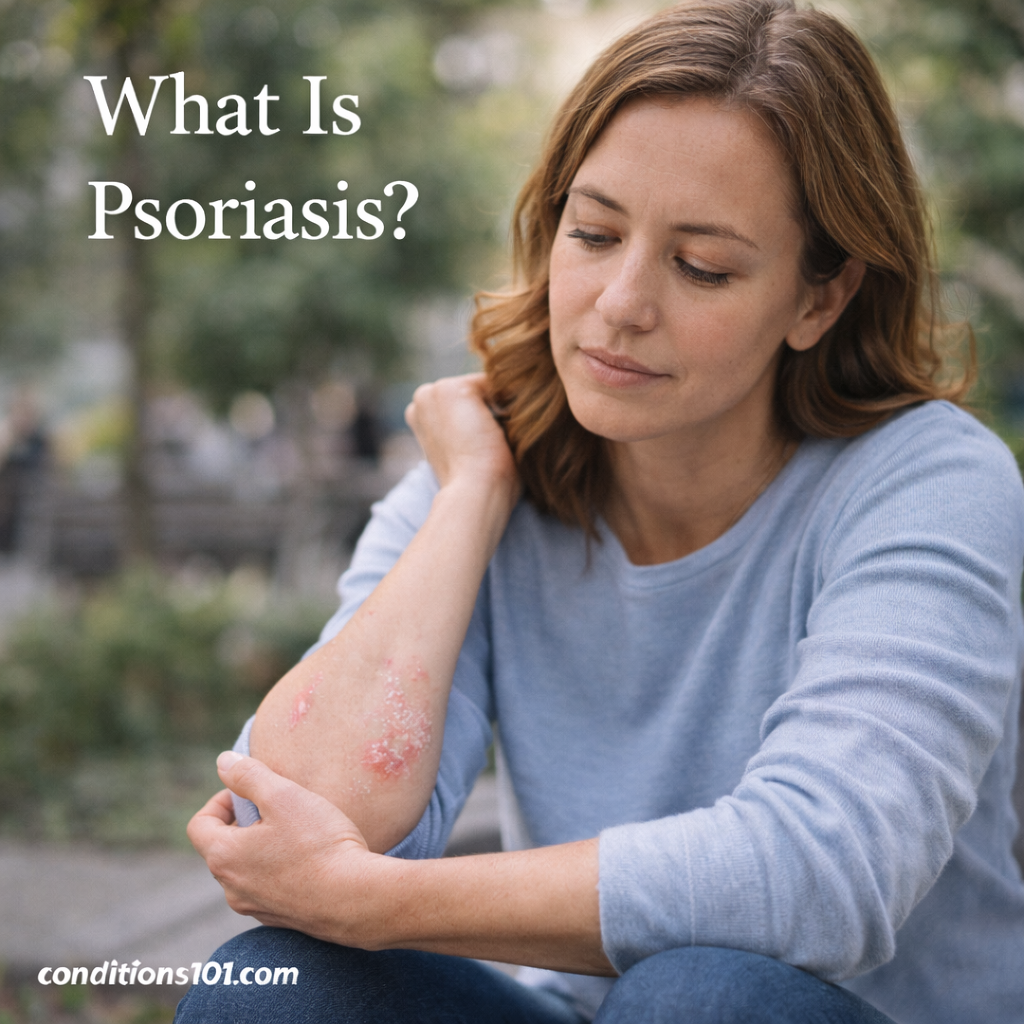
Psoriasis
Psoriasis commonly appears in broader educational discussions involving skin patterns and visible changes.
Learn more:
👉 What Is Psoriasis?
Rosacea
Rosacea is another frequently discussed appearance-related topic.
Learn more:
👉 What Is Rosacea?
Alopecia
Alopecia commonly appears in discussions involving hair-related changes.
Learn more:
👉 What Is Alopecia?
Why Appearance Changes Can Feel Different Between People
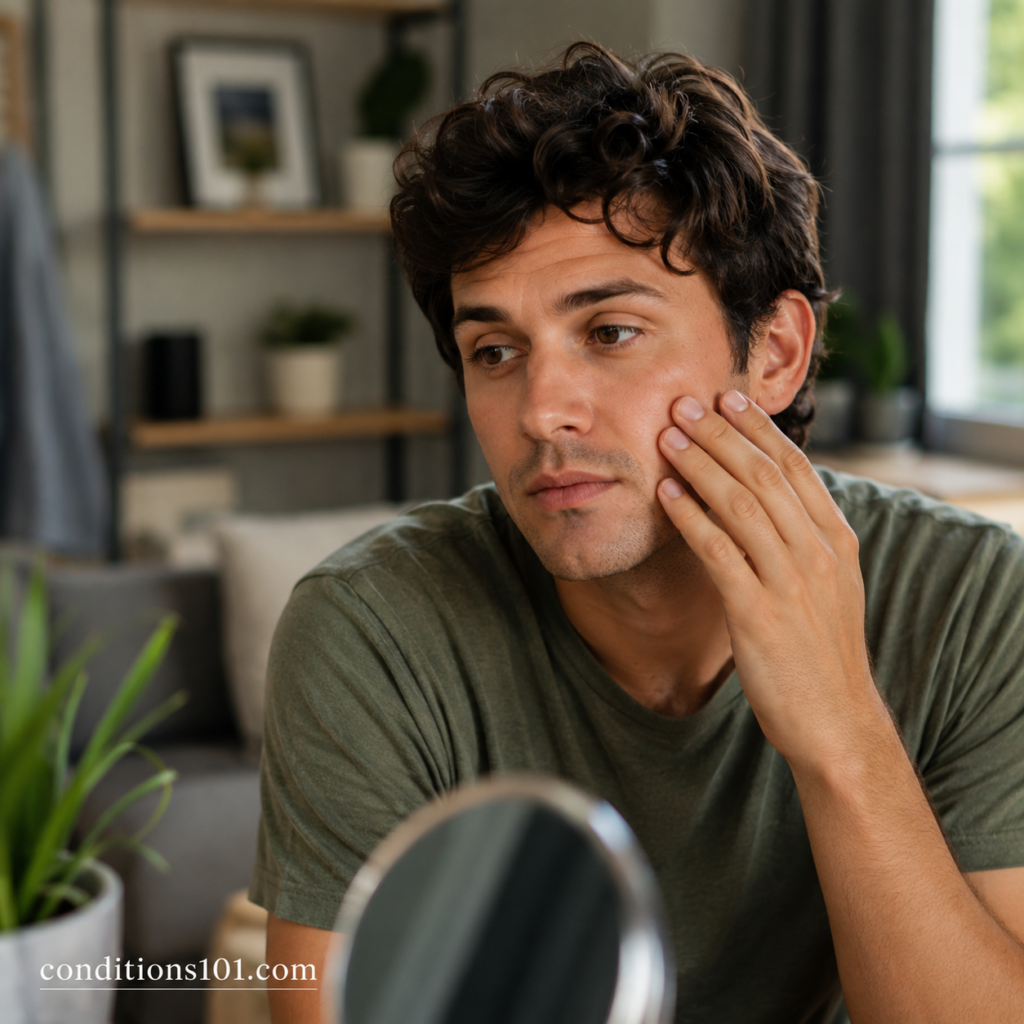
Educational discussions often emphasize that visible changes or experiences are not always identical between individuals.
Differences may involve:
- Pattern changes over time
- Daily experiences
- Environmental influences
- Personal observations
- Individual characteristics
Understanding variability can provide additional context when reading educational health information.
Learn more:
👉 Symptoms vs Conditions: What’s the Difference?
Frequently Asked Questions
Are skin and appearance conditions always permanent?
No. Educational discussions include temporary, recurring, and long-term topics.
Why do visible characteristics vary between people?
Educational resources commonly recognize that many factors can influence appearance-related experiences.
Why are broad categories used?
Categories help organize complex information and improve understanding.
Why do educational articles discuss variability?
Variability helps explain why experiences and descriptions can differ between individuals.
Key Takeaways
- Skin, hair, and appearance topics involve visible characteristics and patterns
- Experiences often vary significantly between individuals
- Educational resources commonly use broad terminology
- Appearance-related topics can involve many different factors
- Understanding common concepts can improve health literacy
Continue Learning
Explore additional educational content throughout Conditions101 to better understand skin, hair, and appearance-related topics and terminology.