
Tension pain is a type of physical discomfort commonly described as a feeling of tightness, pressure, or dull aching in the body. It often develops gradually and is usually linked to muscle tension, posture, repetitive movement, or prolonged physical or mental strain.
Tension pain is widespread and can affect people of all ages. It is typically non-sharp and non-sudden, and many people recognize it as a familiar, everyday form of discomfort.
How Tension Pain Feels
Tension pain is often characterized by sensations such as:
- Tight or knotted muscles
- A dull, steady ache
- Pressure or heaviness
- Stiffness or reduced flexibility
- Discomfort that worsens with prolonged activity or stress
Unlike acute pain, tension pain usually builds slowly rather than appearing suddenly.
Common Areas Where Tension Pain Occurs
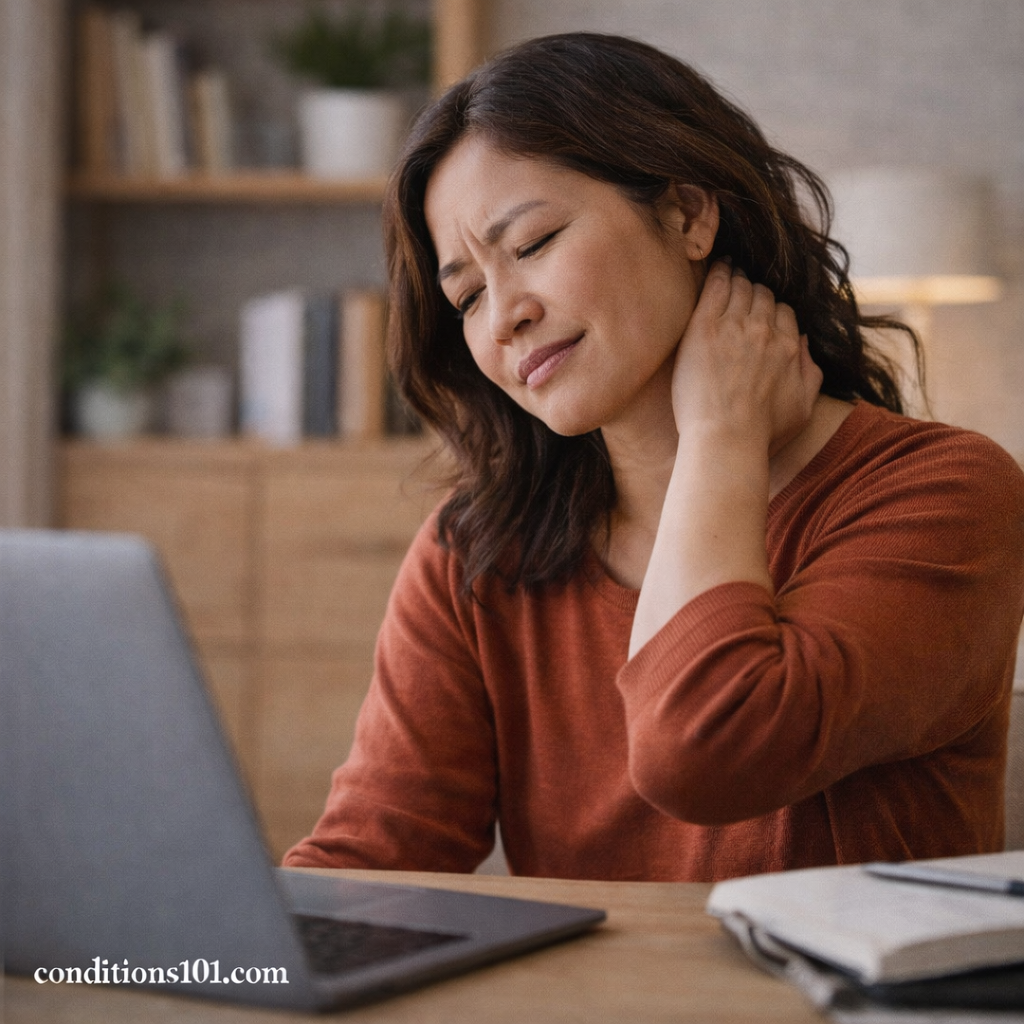
Tension pain can occur in many parts of the body, but it is especially common in areas that hold stress or remain in fixed positions for long periods.
Frequently affected areas include:
- Neck and shoulders
- Upper and lower back
- Jaw
- Head and temples
- Hips
These areas are often involved in posture, repetitive motion, or stress-related muscle tightening.
What Causes Tension Pain?
Tension pain is typically related to muscle tightening or overuse, rather than injury.
Common contributing factors include:
- Poor posture
- Sitting or standing for long periods
- Repetitive movements
- Emotional or mental stress
- Fatigue or lack of rest
In many cases, multiple factors combine to create or worsen tension pain.
Tension Pain vs Other Types of Pain
Understanding how tension pain differs from other pain types can help clarify what it is.
Tension pain
- Dull, tight, or pressure-like
- Gradual onset
- Often linked to muscle tension or posture
Sharp or acute pain
- Sudden and intense
- Often linked to injury or irritation
- Usually localized and noticeable immediately
Nerve-related pain
- Burning, tingling, or shooting sensations
- May travel along a specific path
- Feels different from muscle-based tension
Why Tension Pain Can Persist
Tension pain may last longer than expected because muscle tension can be maintained unconsciously. When muscles remain tight over time, they may not fully relax even during rest.
Everyday habits such as:
- Slouching
- Clenching the jaw
- Holding stress in the shoulders
can contribute to ongoing discomfort without obvious warning signs.
How Long Tension Pain Typically Lasts
The duration of tension pain varies widely.
It may:
- Last for a few hours
- Come and go throughout the day
- Persist over longer periods if contributing factors remain
For many people, tension pain fluctuates depending on activity level, stress, and rest.
Why Tension Pain Is So Common
Modern routines often involve:
- Extended screen time
- Limited movement
- Repetitive tasks
- High mental demands
These factors can place continuous strain on muscles, making tension pain one of the most commonly experienced physical discomforts.
Key Takeaways
- Tension pain is a common form of physical discomfort linked to muscle tightness.
- It often feels dull, tight, or pressure-like rather than sharp.
- Common areas include the neck, shoulders, back, and head.
- Posture, stress, and repetitive movement play a major role.
- Tension pain varies in intensity and duration from person to person.