Sleep resilience refers to the body’s and mind’s ability to maintain, recover, or adapt healthy sleep patterns despite disruptions such as stress, schedule changes, poor sleep nights, or environmental challenges. Rather than meaning “perfect sleep,” sleep resilience describes how well someone can bounce back after sleep disturbances.
People with strong sleep resilience may still experience occasional poor sleep, but their overall sleep quality tends to stabilize over time without prolonged disruption.
Understanding Sleep Resilience as a Concept
Sleep resilience is not a diagnosis or a medical condition. It is a descriptive concept used to explain how sleep responds to internal and external pressures.
It reflects:
- How easily sleep returns to normal after disruption
- How adaptable sleep patterns are to change
- How consistently restorative sleep occurs over time
Sleep resilience exists on a spectrum and can vary throughout life.
What Can Disrupt Sleep
Sleep is influenced by many everyday factors. Common sleep disruptions include:
- Stress or emotional strain
- Irregular sleep schedules
- Travel or time zone changes
- Environmental noise or light
- Changes in routine or workload
Sleep resilience helps determine whether these disruptions cause temporary changes or longer-lasting sleep difficulties.
Characteristics of Strong Sleep Resilience
People with higher sleep resilience often experience:
- Faster recovery after a poor night’s sleep
- Fewer long-term effects from occasional sleep loss
- Stable sleep patterns over weeks or months
- Better adjustment to short-term schedule changes
This does not mean disruptions have no effect, but rather that sleep patterns tend to normalize more easily.
Characteristics of Lower Sleep Resilience
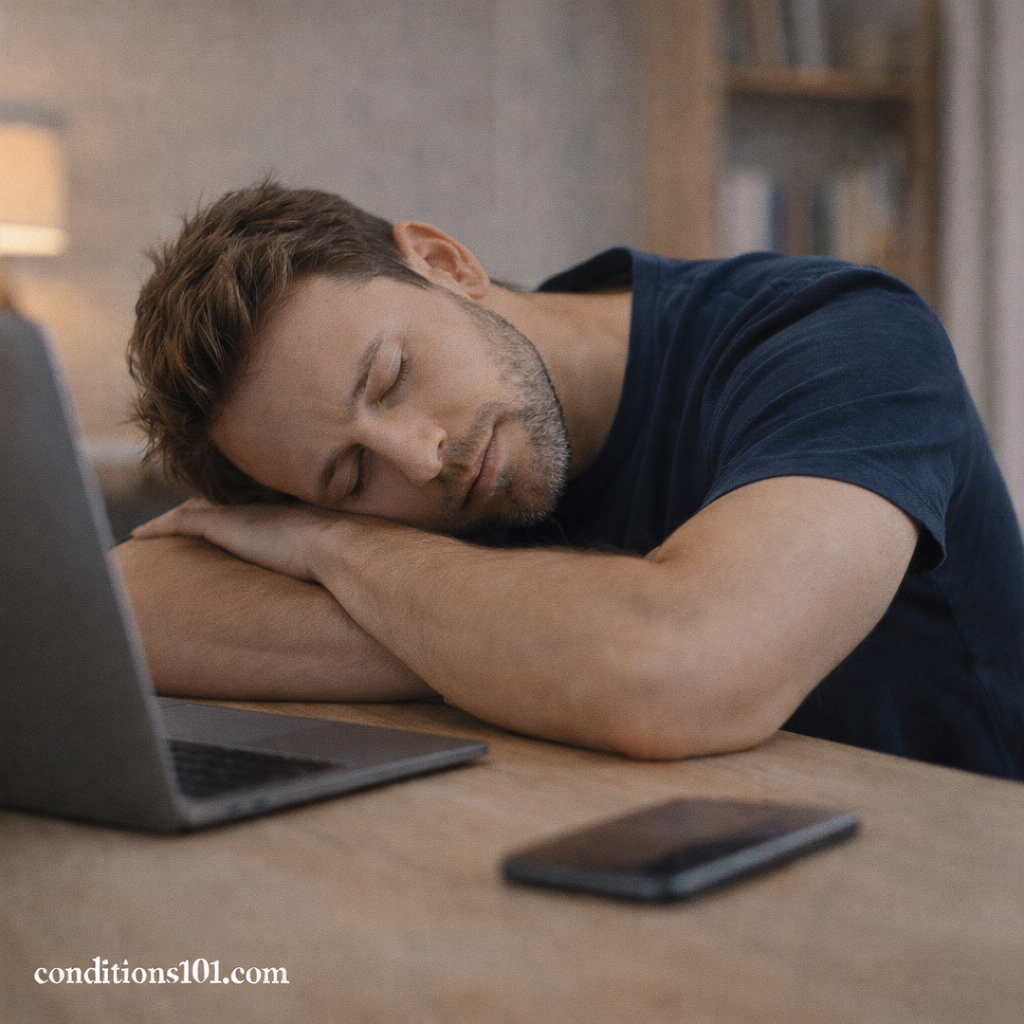
Lower sleep resilience may be associated with:
- Sleep patterns that remain disrupted after stress or change
- Difficulty reestablishing a regular sleep schedule
- Greater sensitivity to environmental or emotional factors
- Lingering fatigue after short-term sleep loss
Sleep resilience can change over time and is influenced by multiple factors.
Factors That Influence Sleep Resilience
Sleep resilience is shaped by a combination of biological, psychological, and lifestyle factors.
Sleep habits
Consistent sleep routines and predictable schedules support more resilient sleep patterns.
Stress response
How the body responds to stress can affect how easily sleep is disrupted or restored.
Environment
Light exposure, noise levels, and sleeping conditions play a role in sleep stability.
Individual differences
Genetics, age, and daily rhythms can influence how sleep responds to disruption.
Sleep Resilience vs Sleep Quality
Sleep resilience and sleep quality are related but not the same.
Sleep quality
- Refers to how restful or satisfying sleep feels
- Focuses on individual nights
Sleep resilience
- Refers to how sleep holds up over time
- Focuses on recovery and adaptability
Someone can experience occasional low sleep quality while still having strong sleep resilience overall.
Why Sleep Resilience Matters
Sleep resilience helps explain why some people recover quickly from sleep challenges while others struggle longer. It provides a long-term perspective on sleep rather than focusing on isolated nights.
Understanding sleep resilience can help frame sleep experiences more realistically, especially during periods of stress or change.
Key Takeaways
- Sleep resilience describes the ability to recover from sleep disruption.
- It focuses on adaptability, not perfect sleep.
- Sleep resilience varies between individuals and over time.
- Stress, routines, and environment all influence sleep resilience.
- Occasional poor sleep does not mean low sleep resilience.