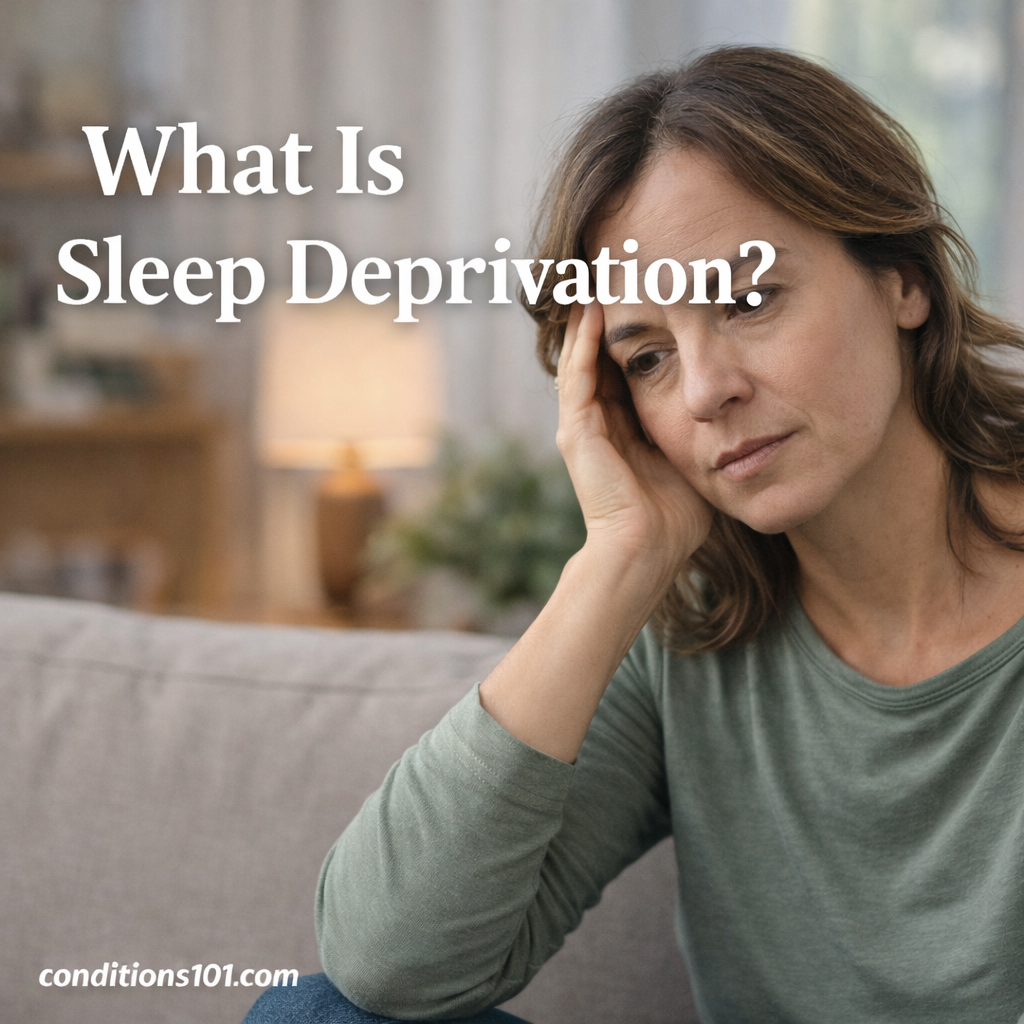
Sleep deprivation is a condition that occurs when a person does not get enough sleep to support normal physical, mental, and emotional functioning. This may involve sleeping fewer hours than needed, experiencing disrupted or poor-quality sleep, or a combination of both. When sleep loss continues over time, it can affect alertness, mood, concentration, and daily performance.
This article provides a clear, educational overview of sleep deprivation, including what it means, common ways it may occur, typical contributing factors, and how it can affect everyday life. It is for general informational purposes only and does not provide medical advice, diagnosis, or treatment.
Understanding Sleep and Why It Matters
Sleep is a natural, recurring process that allows the body and brain to rest, reset, and prepare for the next day. During sleep, the body supports memory processing, energy restoration, and overall balance.
Key Functions of Sleep
- Supports attention, focus, and decision-making
- Helps regulate mood and emotional responses
- Allows the body to recover from daily activity
- Plays a role in learning and memory
When sleep is consistently limited or interrupted, these processes may not function as efficiently.
What Counts as Sleep Deprivation?
Sleep deprivation does not look the same for everyone. It generally refers to getting less sleep than the body needs on a regular basis.
Sleep deprivation may involve:
- Short sleep duration (not enough total hours)
- Fragmented sleep with frequent awakenings
- Irregular sleep schedules
- Poor sleep quality despite adequate time in bed
Both short-term and long-term sleep loss fall under the broad concept of sleep deprivation.
Common Signs and Experiences of Sleep Deprivation
The effects of sleep deprivation can vary depending on how much sleep is lost and for how long.
Commonly Reported Experiences
- Daytime tiredness or low energy
- Difficulty concentrating or staying focused
- Slower reaction times
- Irritability or mood changes
Other Possible Effects
- Trouble remembering information
- Reduced motivation
- Feeling mentally foggy
- Increased reliance on caffeine
Some effects may be subtle at first and become more noticeable over time.
Situations Where Sleep Deprivation Often Occurs
Sleep deprivation is commonly linked to modern lifestyles and daily demands.
Common situations include:
- Long or irregular work hours
- Night shifts or rotating schedules
- Academic pressures
- Caregiving responsibilities
- Excessive screen use late at night
- Travel across time zones
Even small, repeated disruptions can add up over time.
Factors Commonly Associated With Sleep Deprivation
Sleep deprivation is often influenced by a mix of behavioral, environmental, and lifestyle factors.
Lifestyle and Routine Factors
- Inconsistent bedtimes and wake times
- Late-night screen exposure
- Busy or unpredictable schedules
- High levels of stress or mental load
Environmental Factors
- Noise or light during sleep hours
- Uncomfortable sleep environment
- Shared sleeping spaces with interruptions
These factors may affect both sleep quantity and sleep quality.
Short-Term vs. Ongoing Sleep Deprivation
Sleep deprivation may be temporary or ongoing, depending on circumstances.
Short-Term Sleep Deprivation
- May occur after a few nights of reduced sleep
- Often linked to deadlines, travel, or events
- Effects may improve once normal sleep resumes
Ongoing Sleep Deprivation
- Occurs when sleep loss continues over weeks or months
- May gradually affect daily functioning
- Often becomes part of a regular routine without being noticed
Understanding the difference helps explain why effects can vary between individuals.
How Sleep Deprivation Can Affect Daily Life
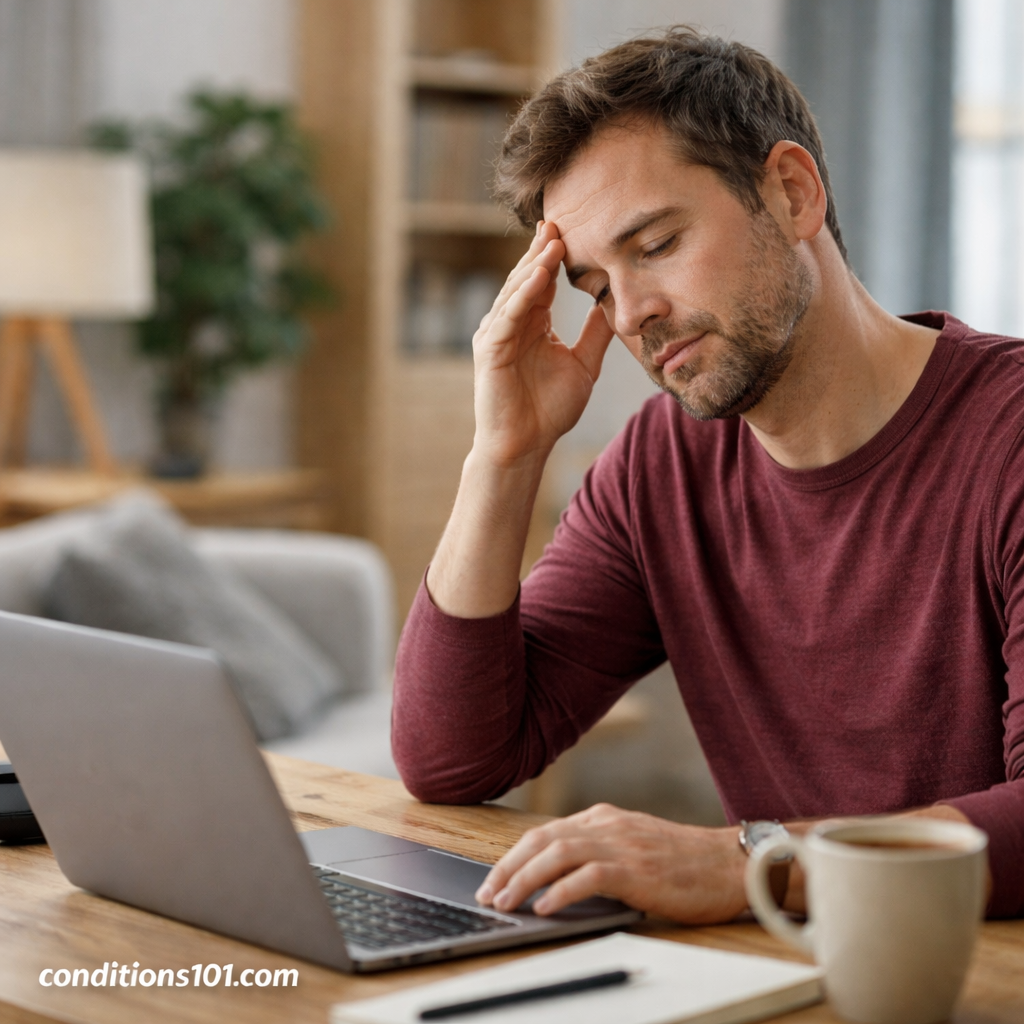
Sleep deprivation can influence many aspects of everyday living, even when it feels manageable.
Potential Daily Impacts
- Reduced productivity at work or school
- Difficulty staying alert during routine tasks
- Lower tolerance for stress
- Decreased enjoyment of daily activities
Some people adapt to feeling tired, even though performance and focus may still be affected.
Sleep Deprivation Across Different Age Groups
Sleep needs and sleep patterns can change with age, which may influence how sleep deprivation is experienced.
Children and Teens
- May experience difficulty waking or focusing
- Sleep schedules may conflict with school timing
Adults
- Often experience sleep loss due to work or responsibilities
- May underestimate the effects of ongoing sleep deprivation
Older Adults
- Sleep may become lighter or more fragmented
- Total sleep time may change with age
This article focuses on general patterns rather than individual needs.
Sleep Deprivation vs. Fatigue
Sleep deprivation and fatigue are related but not identical.
Sleep Deprivation
- Caused by insufficient or disrupted sleep
- Directly linked to sleep habits and schedules
Fatigue
- Describes a general sense of tiredness or low energy
- May occur even with adequate sleep
Because they can overlap, the terms are sometimes used interchangeably in everyday conversation.
Frequently Asked Questions About Sleep Deprivation
Is sleep deprivation common?
Yes. Sleep deprivation is widely discussed as a common issue in modern society.
Can someone function while sleep deprived?
Many people continue daily activities, though attention, reaction time, and mood may still be affected.
Is sleep deprivation always noticeable?
Not always. Some effects develop gradually and may feel “normal” over time.
Key Takeaways
- Sleep deprivation occurs when sleep is insufficient or disrupted
- It can be short-term or ongoing
- Effects may include tiredness, reduced focus, and mood changes
- Lifestyle and environmental factors often play a role
- Understanding sleep deprivation supports awareness of sleep habits