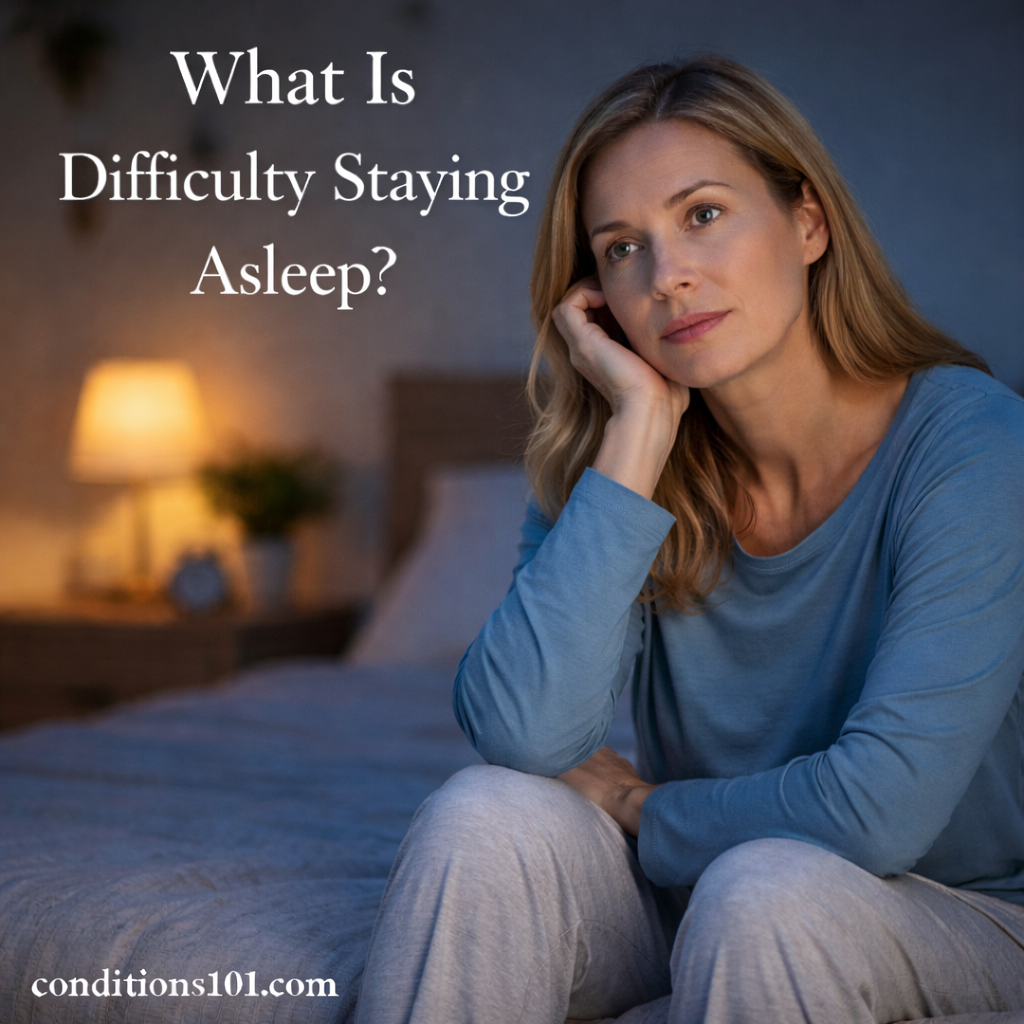
Sleep balance refers to maintaining a consistent, healthy relationship between sleep duration, sleep quality, and daily wakefulness. It is a general, non-clinical concept used in health education to describe how well sleep supports daily functioning, energy levels, and overall well-being.
Rather than focusing on a specific number of hours, sleep balance emphasizes how sleep fits into a person’s routine and supports physical and mental recovery.
Understanding the Concept of Sleep Balance
Sleep balance is about alignment. It reflects whether sleep patterns are working in harmony with a person’s lifestyle, responsibilities, and natural rhythms.
A balanced sleep pattern is often described as one that allows a person to:
- Fall asleep within a reasonable time
- Stay asleep for most of the night
- Wake feeling reasonably refreshed
- Maintain stable energy throughout the day
Sleep balance can vary from person to person and may change over time.
Key Components of Sleep Balance
Sleep balance is commonly discussed as a combination of several factors rather than a single element.
Sleep Duration
This refers to the total amount of sleep obtained over a 24-hour period. Needs can vary based on age, activity level, and individual differences.
Sleep Quality
Sleep quality relates to how restful sleep feels. Factors often associated with quality include:
- Fewer nighttime awakenings
- Adequate time in deeper sleep stages
- Feeling mentally clear upon waking
Sleep Consistency
Consistency involves going to bed and waking up at similar times each day. Regular sleep schedules are often associated with better overall balance.
Signs of Balanced vs Unbalanced Sleep

Sleep balance is often described using everyday experiences rather than measurements.
Common Signs of Balanced Sleep
- Stable energy throughout the day
- Ability to focus and concentrate
- Predictable sleep and wake times
- Minimal daytime drowsiness
Common Signs of Unbalanced Sleep
- Frequent tiredness despite time in bed
- Irregular sleep schedules
- Difficulty waking up or feeling alert
- Daytime fatigue or sluggishness
These experiences can fluctuate and may not be constant.
Factors That Can Affect Sleep Balance
Many everyday factors can influence sleep balance, often in combination.
Lifestyle and Routine Factors
- Work or school schedules
- Screen use and evening activities
- Caffeine or meal timing
- Physical activity levels
Environmental Factors
- Light exposure
- Noise levels
- Sleep environment comfort
Mental and Emotional Factors
- Daily stress
- Mental stimulation before bedtime
- Changes in routine or responsibilities
Sleep balance is often influenced by multiple overlapping factors rather than a single cause.
Why Sleep Balance Is Discussed in Health Education
Sleep balance is commonly referenced because sleep plays a foundational role in daily functioning. Educational discussions use the concept to help people think beyond “how many hours” and instead consider how sleep supports overall daily life.
The term helps explain why someone may technically sleep long enough but still feel unrested, or why consistent routines matter for long-term sleep health.
Sleep Balance Over Time
Sleep balance is not fixed. It can shift due to changes in lifestyle, age, responsibilities, or environment. Temporary disruptions are common, and balance often returns once routines stabilize.
Educational discussions emphasize awareness of patterns over time rather than focusing on isolated nights of poor sleep.
Key Takeaways
- Sleep balance refers to the overall relationship between sleep duration, quality, and consistency
- It focuses on how sleep supports daily energy and functioning
- Balanced sleep looks different for each individual
- Lifestyle, environment, and routine all influence sleep balance
- The concept is descriptive, not diagnostic