Poor sleep quality refers to sleep that does not feel restful or restorative, even if a person spends enough time in bed. It focuses on how well someone sleeps rather than how long they sleep. People with poor sleep quality may wake up feeling tired, unrefreshed, or mentally foggy despite getting what seems like a full night of sleep.
This article provides an educational overview of poor sleep quality, including what it means, common signs, contributing factors, and how it may affect daily life. It is for general informational purposes only and does not provide medical advice, diagnosis, or treatment.
Understanding Sleep Quality vs. Sleep Quantity
Sleep quantity refers to the number of hours slept, while sleep quality describes how effective that sleep is.
High-quality sleep generally involves:
- Falling asleep within a reasonable time
- Staying asleep with minimal interruptions
- Spending enough time in deeper, restorative sleep stages
- Waking up feeling refreshed
Poor sleep quality can occur even when sleep duration appears adequate.
What Does “Poor Sleep Quality” Mean?
Poor sleep quality is a broad term used to describe sleep that is fragmented, shallow, or otherwise unrefreshing. It does not refer to a single condition, but rather a pattern of sleep experiences.
Poor sleep quality may involve:
- Difficulty falling asleep
- Frequent awakenings during the night
- Waking up too early
- Light or restless sleep
- Feeling unrefreshed upon waking
These experiences can occur occasionally or on a regular basis.
Common Signs of Poor Sleep Quality
People may notice the effects of poor sleep quality during the day rather than at night.
Commonly Reported Signs
- Daytime fatigue or low energy
- Difficulty concentrating or focusing
- Feeling mentally foggy
- Irritability or mood changes
- Reduced motivation
These signs may be subtle at first and become more noticeable over time.
What Can Contribute to Poor Sleep Quality?
Poor sleep quality is often linked to a combination of lifestyle, environmental, and behavioral factors.
Sleep Environment Factors
- Noise during the night
- Excessive light exposure
- Uncomfortable mattress or pillow
- Room temperature that is too warm or too cool
Lifestyle and Habit Factors
- Irregular sleep schedules
- Screen use before bedtime
- High stress or mental stimulation at night
- Late meals or caffeine consumption
- Limited physical activity during the day
These factors may disrupt sleep depth or continuity.
Poor Sleep Quality and the Sleep Cycle
Sleep occurs in repeating cycles that include lighter and deeper stages. Deeper stages are especially important for physical and mental recovery.
Poor sleep quality may involve:
- Spending less time in deep sleep
- Frequent disruptions between sleep stages
- Difficulty reaching restorative sleep phases
As a result, the body may not fully recover overnight.
How Poor Sleep Quality Can Affect Daily Life
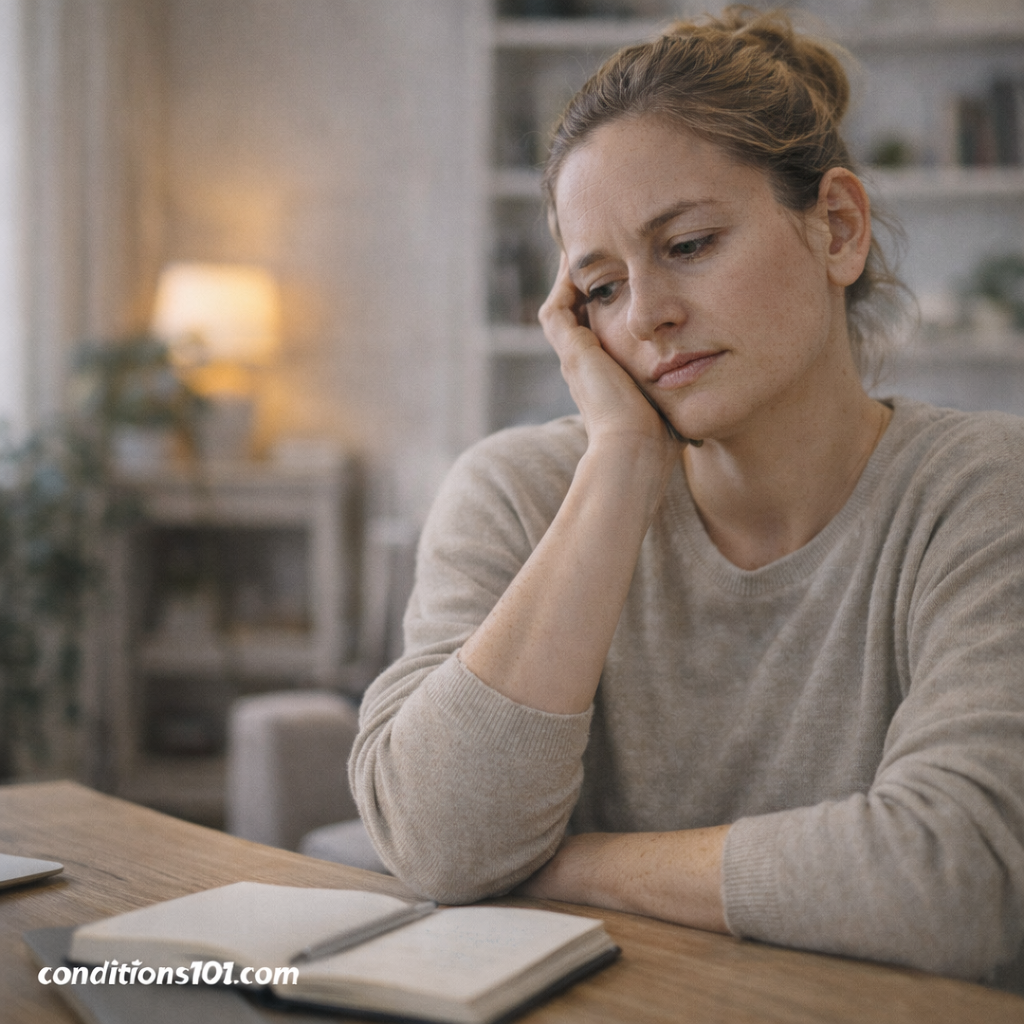
Ongoing poor sleep quality can influence many aspects of everyday functioning.
Possible Daily Impacts
- Reduced productivity at work or school
- Slower reaction times
- Difficulty managing stress
- Increased reliance on caffeine
- Lower overall sense of well-being
Some people adapt to feeling tired, even though performance may still be affected.
Poor Sleep Quality Across Different Age Groups
Sleep patterns and sleep quality can change with age.
Children and Teens
- Sleep quality may be affected by schedules, screens, or school demands
- Poor sleep quality may affect attention or mood
Adults
- Work stress, responsibilities, and lifestyle habits often play a role
- Sleep may feel lighter or more fragmented
Older Adults
- Sleep may become more easily disrupted
- Total sleep time and depth may change
This overview focuses on general trends rather than individual evaluation.
Poor Sleep Quality vs. Sleep Deprivation
Poor sleep quality and sleep deprivation are related but not the same.
Poor Sleep Quality
- Focuses on how well sleep feels
- Can occur even with enough sleep hours
Sleep Deprivation
- Refers to not getting enough total sleep time
- Often involves shortened sleep duration
Some people experience both at the same time, while others experience only one.
Frequently Asked Questions About Poor Sleep Quality
Can you have poor sleep quality without insomnia?
Yes. Poor sleep quality can occur even if someone falls asleep easily and sleeps for many hours.
Is poor sleep quality common?
Yes. Many people experience periods of unrefreshing or disrupted sleep at different points in life.
Does poor sleep quality always feel obvious?
Not always. Some people only notice the effects through daytime tiredness or reduced focus.
Key Takeaways
- Poor sleep quality refers to unrefreshing or disrupted sleep
- It focuses on how sleep feels, not just how long it lasts
- Environmental and lifestyle factors often play a role
- Poor sleep quality can affect energy, focus, and mood
- Educational understanding supports awareness of sleep habits