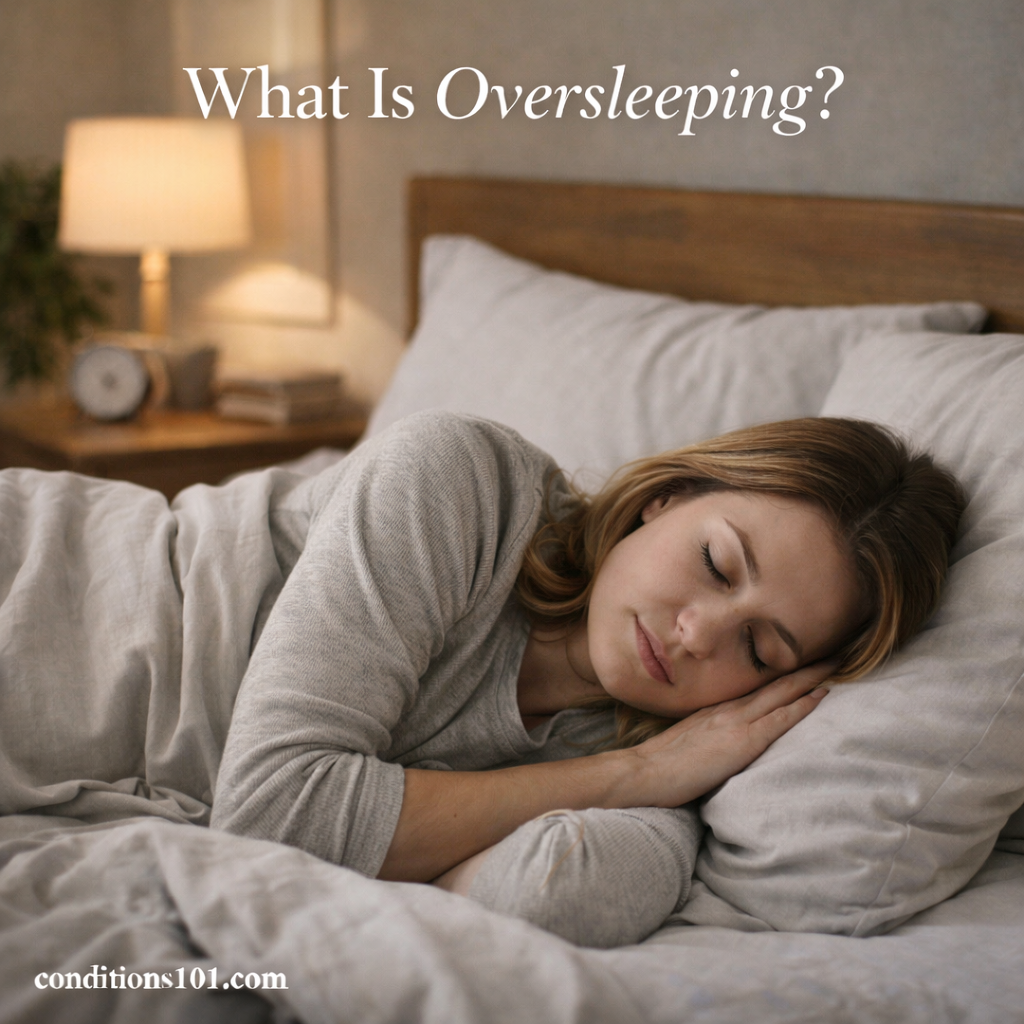
Oversleeping refers to sleeping longer than what is typically considered necessary for feeling rested and alert. It generally means spending excessive time asleep or in bed beyond personal or general sleep needs, often without feeling refreshed afterward. Oversleeping is a common experience and can happen occasionally or more frequently, depending on circumstances.
Oversleeping is a descriptive term, not a medical diagnosis. It focuses on sleep duration and patterns rather than identifying a specific underlying cause.
Understanding Normal Sleep Needs
Sleep needs vary from person to person and can change over time. Factors such as age, lifestyle, activity level, and overall health influence how much sleep an individual requires.
General sleep ranges often discussed include:
- Adults: around 7–9 hours per night
- Teens: around 8–10 hours per night
- Children: often require more sleep than adults
Oversleeping is usually described relative to what feels typical or necessary for a specific individual.
How Oversleeping Is Different From Getting Extra Rest
Sleeping longer than usual does not always mean oversleeping.
- Extra rest may occur after physical exertion or short-term sleep loss
- Oversleeping often involves regularly sleeping well beyond typical needs
- Longer sleep does not always lead to feeling more refreshed
The distinction often depends on how someone feels after waking and whether extended sleep becomes a pattern.
Common Ways Oversleeping Is Experienced
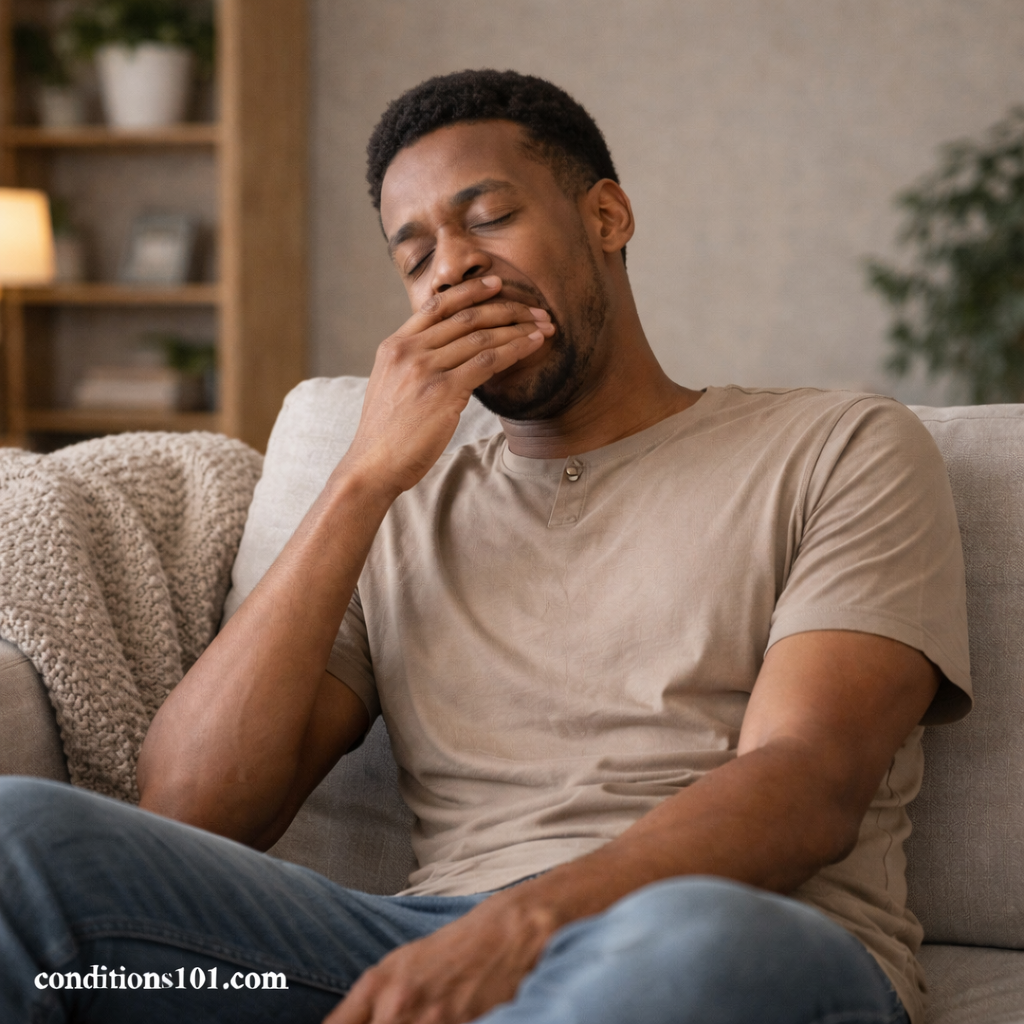
People may notice oversleeping in different ways, such as:
- Sleeping many hours but still feeling tired
- Difficulty waking up at a desired time
- Spending extended time in bed without clear restfulness
- Feeling groggy or sluggish after waking
These experiences can vary in frequency and intensity.
Situations Where Oversleeping Can Occur
Oversleeping may happen during certain life situations or routines, including:
- Irregular sleep schedules
- Periods of reduced activity
- Extended weekends or days off
- Recovery after disrupted sleep patterns
- Changes in daily structure or routine
In many cases, oversleeping reflects temporary changes rather than long-term patterns.
Oversleeping and Sleep Quality
The amount of sleep and the quality of sleep are not always the same.
- Long sleep duration does not guarantee restorative sleep
- Fragmented or low-quality sleep may lead to extended sleep time
- Oversleeping can sometimes occur when sleep is not efficient
This is why someone may sleep for many hours but still feel fatigued.
Oversleeping vs. Fatigue
Oversleeping and fatigue are related but distinct concepts.
- Oversleeping focuses on sleep duration
- Fatigue refers to persistent tiredness or low energy
- A person can oversleep without feeling fatigued
- A person can feel fatigued even without oversleeping
Understanding the difference helps clarify sleep-related experiences.
Oversleeping Across Different Age Groups
Oversleeping can appear at any stage of life.
- Adolescents may oversleep due to biological sleep shifts
- Adults may oversleep during lifestyle changes or routine disruptions
- Older adults may notice changes in sleep timing and duration
The meaning of oversleeping often depends on context and individual needs.
Lifestyle Factors That Can Influence Oversleeping
Several everyday factors can affect how long someone sleeps.
These may include:
- Irregular bedtimes
- Limited daytime activity
- Screen use before bed
- Inconsistent wake-up times
- Stress or emotional demands
These influences can shape sleep patterns over time.
How Oversleeping Is Described in Everyday Language
People may describe oversleeping using phrases such as:
- “Sleeping too much”
- “Sleeping in excessively”
- “Not being able to wake up”
- “Feeling stuck in bed”
These descriptions reflect personal experiences rather than formal definitions.
Why Oversleeping Is a Common Experience
Oversleeping is common because sleep needs are dynamic and influenced by daily life. Changes in routine, environment, or demands can temporarily increase sleep duration without indicating a problem.
Many people experience oversleeping at some point, especially during transitions or periods of reduced structure.
Key Takeaways
- Oversleeping means sleeping longer than what feels necessary or typical
- It is a descriptive term, not a diagnosis
- Oversleeping does not always result in feeling rested
- Sleep quality and sleep duration are different concepts
- Oversleeping can be temporary or situational
- Individual sleep needs vary widely
Understanding oversleeping helps clarify common sleep experiences and supports clearer conversations about rest, energy, and daily routines.