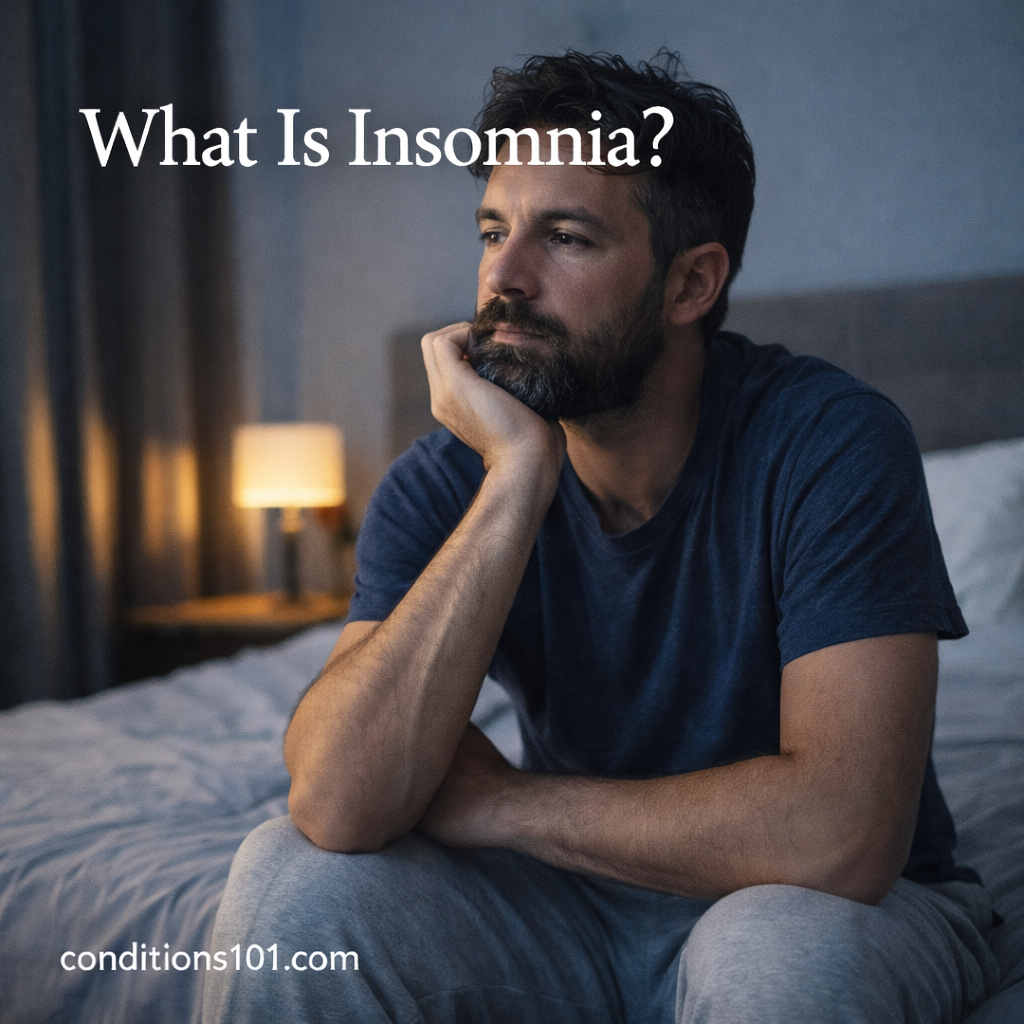
Insomnia is a sleep condition characterized by difficulty falling asleep, staying asleep, or getting restful sleep despite having the opportunity to sleep. People with insomnia may feel dissatisfied with their sleep quality or quantity, which can affect how rested they feel during the day.
Insomnia can occur occasionally or persist over longer periods. It is commonly discussed as a condition related to sleep patterns, daily routines, and how the body regulates rest and wakefulness.
This article provides an educational overview of insomnia for general informational purposes only.
Understanding How Sleep Works
Sleep is a complex biological process that helps the body and brain recover, process information, and regulate essential functions. Most adults cycle through different stages of sleep multiple times each night.
Healthy sleep generally involves:
- Falling asleep within a reasonable amount of time
- Staying asleep with minimal disruptions
- Waking up feeling rested and refreshed
When one or more of these patterns is disrupted on a regular basis, sleep quality may be affected.
What Happens in Insomnia?
In insomnia, the normal process of falling asleep or staying asleep is interrupted. This may involve heightened alertness, difficulty relaxing, or changes in sleep timing.
Common sleep-related challenges include:
- Trouble falling asleep at bedtime
- Waking up frequently during the night
- Waking up too early and being unable to return to sleep
- Feeling unrefreshed after sleep
These experiences can vary in severity and may change over time.
Types of Insomnia
Insomnia is often described using different categories based on duration and pattern.
Short-Term Insomnia
Short-term insomnia may last days or weeks and is often associated with temporary changes such as stress, schedule disruptions, or unfamiliar environments.
Long-Term Insomnia
Long-term insomnia involves ongoing sleep difficulties that persist for several months or longer. Sleep challenges may occur multiple times per week.
Onset vs. Maintenance Insomnia
- Sleep-onset insomnia involves difficulty falling asleep
- Sleep-maintenance insomnia involves difficulty staying asleep
Some individuals experience a combination of both.
Common Signs and Experiences Associated With Insomnia
Insomnia can affect both nighttime sleep and daytime functioning.
Common experiences include:
- Fatigue or low energy during the day
- Difficulty concentrating or focusing
- Feeling irritable or less patient
- Reduced motivation or alertness
Not everyone experiences insomnia in the same way, and symptoms can fluctuate.
Who Experiences Insomnia?
Insomnia can affect people of all ages, though it is more commonly reported among adults.
Factors often associated with insomnia include:
- Irregular sleep schedules
- Lifestyle or work demands
- Stressful life events
- Environmental factors such as noise or light
Having these factors does not guarantee insomnia, but they may influence sleep patterns.
How Insomnia Can Affect Daily Life
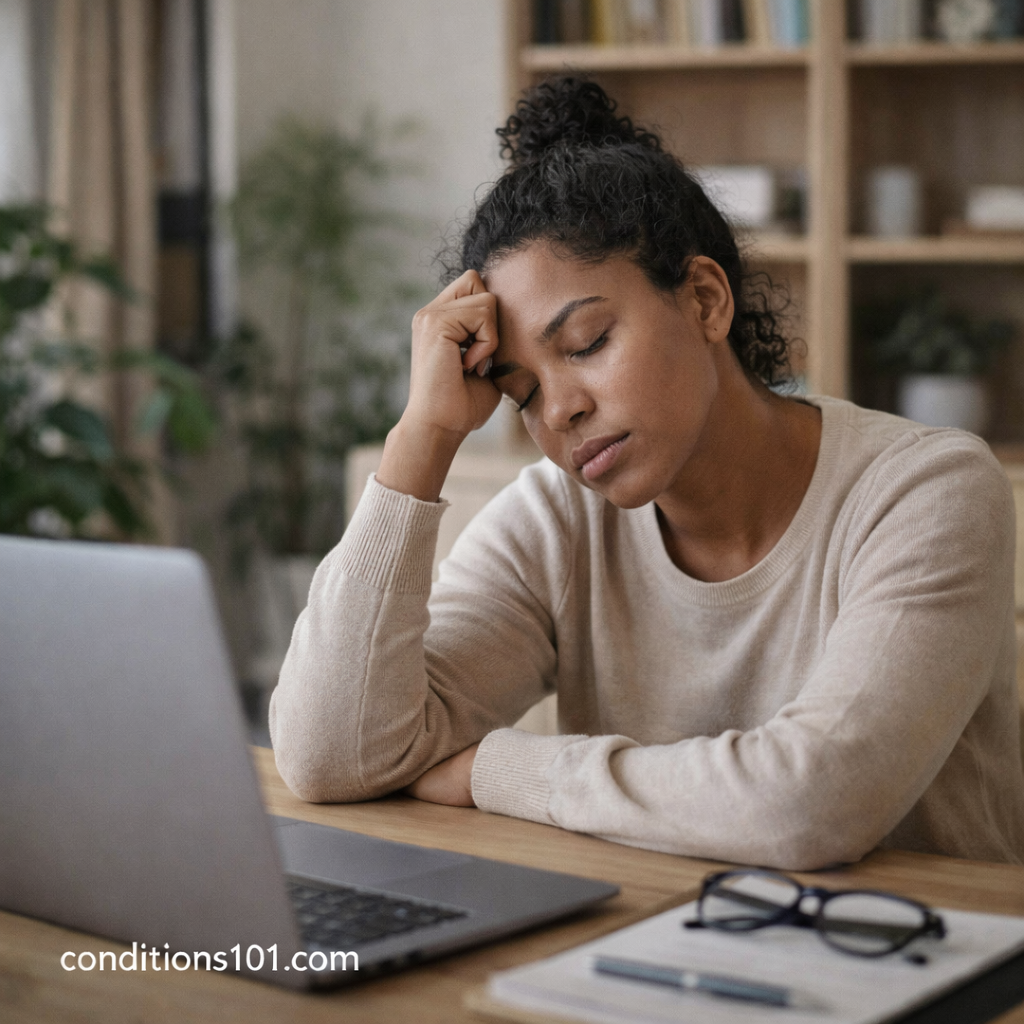
Ongoing sleep difficulties can influence many aspects of daily life. The impact varies depending on how often sleep is disrupted and how much rest is lost.
Possible effects include:
- Reduced daytime productivity
- Increased need for rest or naps
- Changes in mood or patience
- Difficulty maintaining consistent routines
Some people adapt their schedules, while others notice more pronounced challenges.
Insomnia Over Time
Insomnia may occur occasionally or follow a recurring pattern. Some people experience periods of improved sleep followed by renewed difficulties.
Changes over time may be influenced by:
- Daily routines and sleep habits
- Life transitions or schedule changes
- Environmental conditions
- Natural changes in sleep patterns
Because sleep needs and patterns differ, insomnia experiences are highly individual.
Common Misconceptions About Insomnia
There are several misunderstandings surrounding insomnia.
Insomnia Means No Sleep at All
Many people with insomnia still sleep, but the sleep may be shorter, lighter, or less restorative.
Insomnia Only Happens at Night
While insomnia affects nighttime sleep, its effects are often felt most strongly during the day.
Everyone Needs the Same Amount of Sleep
Sleep needs vary from person to person, and not everyone requires the same number of hours.
Key Takeaways
- Insomnia involves difficulty falling asleep, staying asleep, or feeling rested
- It can be short-term or long-term
- Insomnia affects both nighttime sleep and daytime functioning
- People of many ages experience insomnia
- Sleep experiences and patterns vary widely