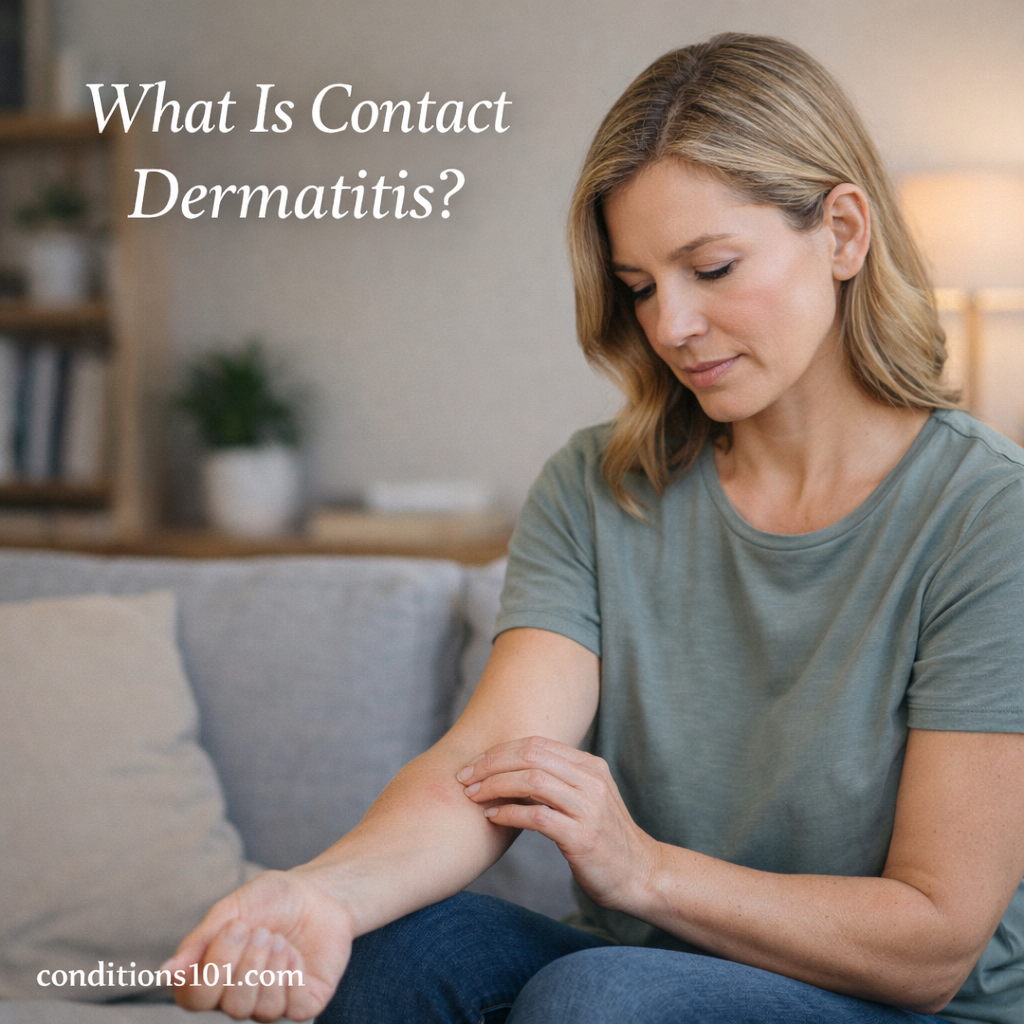
Contact dermatitis is a common skin condition that occurs when the skin reacts after direct contact with a substance. This reaction can cause redness, itching, dryness, or irritation in the affected area. Contact dermatitis is not contagious and usually remains limited to the part of the skin that touched the triggering substance.
The condition can affect people of all ages and may develop suddenly or gradually over time, depending on the type of exposure and individual sensitivity.
Understanding Contact Dermatitis
Contact dermatitis develops when the skin’s protective barrier is disrupted or when the immune system reacts to a specific substance. The reaction may appear within hours or days after exposure.
There are two primary forms of contact dermatitis:
- Irritant contact dermatitis
- Allergic contact dermatitis
Although they share similar symptoms, their underlying causes differ.
Irritant Contact Dermatitis
Irritant contact dermatitis is the most common form. It occurs when a substance directly damages or irritates the skin’s outer layer. This reaction does not involve the immune system.
Common characteristics include:
- Symptoms appearing shortly after exposure
- Irritation limited to the contact area
- Worsening with repeated exposure
Common Irritants
Examples of substances that may cause irritant contact dermatitis include:
- Soaps and detergents
- Cleaning products
- Solvents and chemicals
- Fragrances and preservatives
- Frequent handwashing or prolonged moisture exposure
Repeated or long-term contact increases the likelihood of irritation.
Allergic Contact Dermatitis
Allergic contact dermatitis occurs when the immune system reacts to a substance it identifies as harmful. This reaction usually develops after prior exposure and sensitization.
Symptoms may take longer to appear, often developing 24 to 72 hours after contact.
Common Allergens
Substances that commonly trigger allergic contact dermatitis include:
- Nickel and other metals
- Fragrances
- Certain cosmetics and skincare products
- Hair dyes
- Latex
- Plants such as poison ivy or poison oak
Once sensitization occurs, even small amounts of the allergen may trigger a reaction.
Common Symptoms of Contact Dermatitis

Symptoms of contact dermatitis vary in intensity and appearance depending on the cause, duration of exposure, and individual sensitivity.
Common signs include:
- Redness or discoloration
- Itching or burning sensation
- Dry, cracked, or scaly skin
- Swelling in the affected area
- Blisters or oozing in more severe cases
Symptoms usually remain confined to the area of skin that came into contact with the substance.
Areas Commonly Affected
Contact dermatitis can occur anywhere on the body but is more common in areas frequently exposed to irritants or allergens.
Commonly affected areas include:
- Hands and fingers
- Face and eyelids
- Neck
- Wrists and forearms
- Feet
The location of symptoms often provides clues about the source of exposure.
How Contact Dermatitis Is Identified
Contact dermatitis is typically identified based on symptom patterns, exposure history, and the appearance of the skin. The timing of symptom onset and the location of the reaction are often key factors.
Keeping track of products, materials, or environments encountered before symptoms appear can help clarify potential triggers. Differentiating between irritant and allergic contact dermatitis may require careful observation over time.
Contact Dermatitis vs. Other Skin Conditions
Contact dermatitis can resemble other skin conditions, which sometimes makes identification challenging.
Conditions with overlapping features may include:
- Eczema
- Psoriasis
- Fungal skin infections
- Heat rash
While these conditions may share similar symptoms, their causes and patterns often differ.
Risk Factors for Contact Dermatitis
Certain factors may increase the likelihood of developing contact dermatitis.
These include:
- Frequent exposure to water or chemicals
- Occupational exposure (such as healthcare, cleaning, or manufacturing work)
- Sensitive skin
- History of skin reactions
- Repeated contact with known irritants or allergens
Risk can vary based on lifestyle, environment, and personal skin sensitivity.
Why Contact Dermatitis Matters
Although contact dermatitis is often mild, it can affect comfort, appearance, and daily activities. Persistent irritation may disrupt sleep, interfere with work, or cause ongoing discomfort.
Understanding contact dermatitis helps promote awareness of skin reactions and highlights the importance of recognizing environmental and product-related triggers.
Contact Dermatitis as a Common Skin Reaction
Contact dermatitis is a widespread skin response rather than a rare condition. Many people experience it at some point in their lives, even without underlying skin sensitivity.
The condition reflects how the skin interacts with the environment and responds to substances encountered in everyday life.
Key Takeaways About Contact Dermatitis
- Contact dermatitis is a skin reaction caused by direct contact with certain substances
- It can be irritant-based or allergic in nature
- Symptoms usually appear where the skin touched the trigger
- Reactions range from mild irritation to more noticeable discomfort
- Awareness of common triggers can help explain why symptoms occur
Understanding contact dermatitis supports informed awareness of skin health without focusing on diagnosis or treatment.