
A pain flare-up refers to a temporary increase in pain intensity or discomfort beyond a person’s usual baseline level. It is commonly used to describe periods when pain becomes more noticeable, disruptive, or harder to ignore, even if the underlying condition remains unchanged.
Pain flare-ups can occur in people with recurring or ongoing pain, but they may also happen after physical strain, stress, changes in routine, or environmental factors. The experience and duration of a flare-up can vary widely from person to person.
Understanding Pain Flare-Ups
A pain flare-up is not a separate condition. Instead, it describes a change in pain pattern over a short period of time. The pain may feel sharper, more widespread, more intense, or longer-lasting than usual.
Key characteristics often include:
- A noticeable increase from typical pain levels
- A temporary change rather than a permanent shift
- Symptoms that eventually return closer to baseline
Flare-ups may come on suddenly or build gradually over hours or days.
Pain Flare-Up vs. Ongoing Pain
It is helpful to distinguish between a pain flare-up and ongoing or baseline pain.
Baseline pain refers to the level of discomfort that feels typical or expected for an individual over time. A flare-up represents a deviation from that usual pattern.
Differences may include:
- Higher intensity than normal
- New or amplified sensations
- Greater impact on daily activities
Once the flare-up passes, pain levels often return closer to what feels familiar.
Common Factors Associated With Pain Flare-Ups
Pain flare-ups are often associated with certain triggers or contributing factors, though these can differ widely among individuals.
Physical Factors
Physical contributors may include:
- Increased activity or overexertion
- Repetitive movements
- Changes in posture or body mechanics
- Minor injuries or strain
Lifestyle and Routine Changes
Alterations in daily routine can also coincide with flare-ups, such as:
- Travel or schedule disruption
- Changes in sleep patterns
- Reduced or increased activity levels
Emotional and Environmental Influences
Stressful situations or environmental changes may also be associated with pain flare-ups, including:
- Emotional stress or tension
- Weather or temperature changes
- Prolonged sitting or standing
These factors do not cause pain in the same way for everyone, and multiple influences may overlap.
How Long Do Pain Flare-Ups Last?
The duration of a pain flare-up can range from brief episodes lasting hours to longer periods spanning days or weeks. Length may depend on the underlying pain pattern, the contributing factors involved, and how the body responds over time.
Flare-ups are typically described as temporary, even when they feel intense or disruptive while they are happening.
Pain Flare-Ups Across Different Conditions
Pain flare-ups are discussed in many contexts, including musculoskeletal discomfort, joint pain, nerve-related pain, and chronic pain patterns. While the experience of a flare-up may feel similar, the triggers and sensations can vary.
Some people describe flare-ups as:
- Localized pain in one area
- Widespread discomfort
- Increased sensitivity
- Stiffness or reduced mobility
The description often reflects personal experience rather than a single definition.
Common Misconceptions About Pain Flare-Ups
Several misconceptions can make flare-ups harder to understand.
“A flare-up means things are getting worse”
A flare-up does not necessarily indicate progression or long-term worsening. It often represents a temporary change rather than a permanent shift.
“Pain flare-ups always have one clear cause”
Flare-ups may result from multiple overlapping factors rather than a single trigger.
“Flare-ups should always be avoided”
While uncomfortable, flare-ups are often discussed as part of fluctuating pain patterns rather than something that can always be prevented.
Pain Flare-Ups in Everyday Life
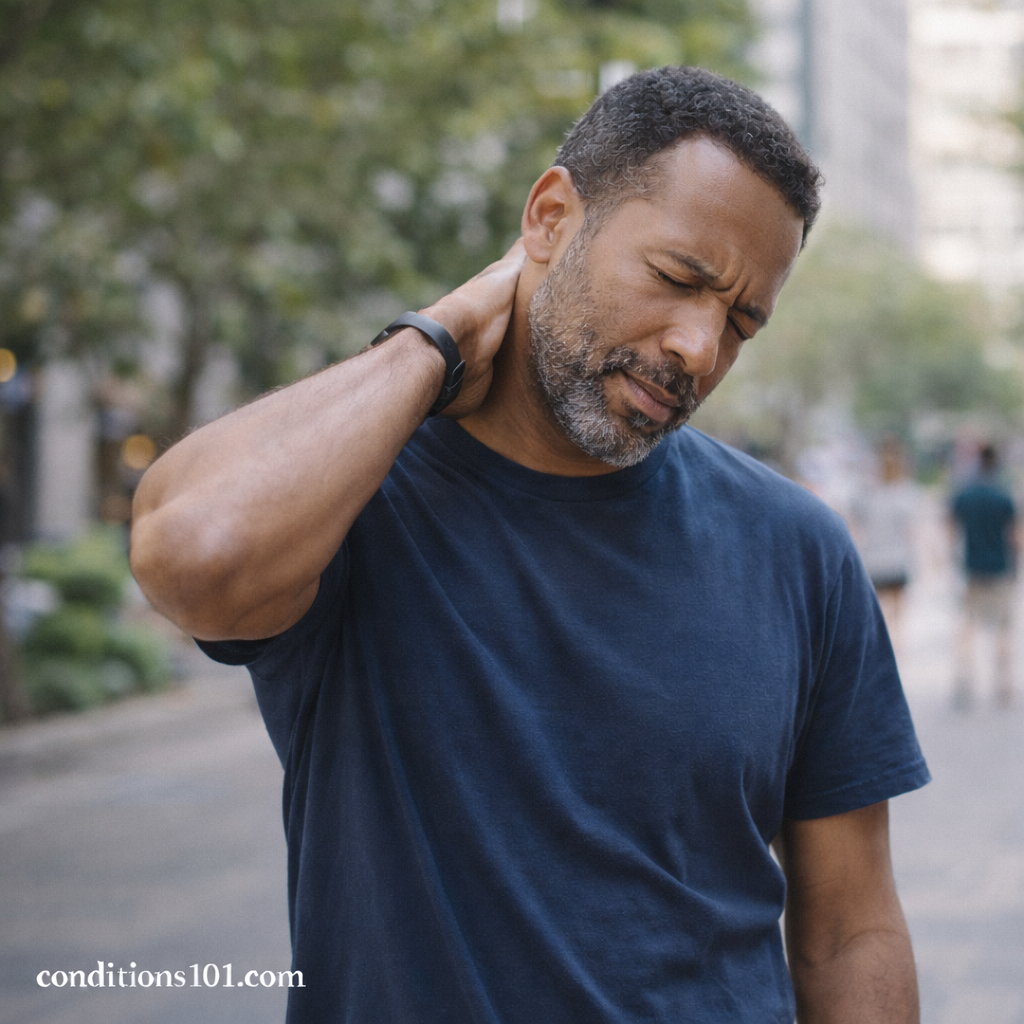
Pain flare-ups can affect daily routines, work, sleep, and overall comfort. People may notice they need to slow down, rest more, or adjust activities temporarily during a flare.
Common experiences may include:
- Reduced energy or focus
- Difficulty completing usual tasks
- Increased awareness of bodily sensations
These changes are often temporary and may resolve as the flare-up subsides.
Why the Term “Pain Flare-Up” Is Used
The term “pain flare-up” provides a way to describe changes in pain intensity without implying a diagnosis or permanent change. It helps communicate that pain can fluctuate rather than remain constant.
Using this term allows for:
- Clear communication about pain patterns
- Distinguishing temporary increases from baseline pain
- Normalizing variability in pain experiences
Pain Flare-Ups as Part of Fluctuating Pain Patterns
Pain flare-ups are often discussed as part of broader pain patterns that naturally rise and fall over time. Rather than following a straight line, pain experiences may vary based on internal and external influences.
Understanding flare-ups as part of this fluctuation can help frame pain as dynamic rather than fixed.
Key Takeaways About Pain Flare-Ups
- A pain flare-up is a temporary increase in pain intensity
- It differs from baseline or ongoing pain
- Duration and intensity vary between individuals
- Flare-ups may be influenced by physical, emotional, or environmental factors
- They do not necessarily indicate long-term change
Recognizing what a pain flare-up is can support clearer understanding of how pain patterns shift over time, without focusing on diagnosis or treatment.