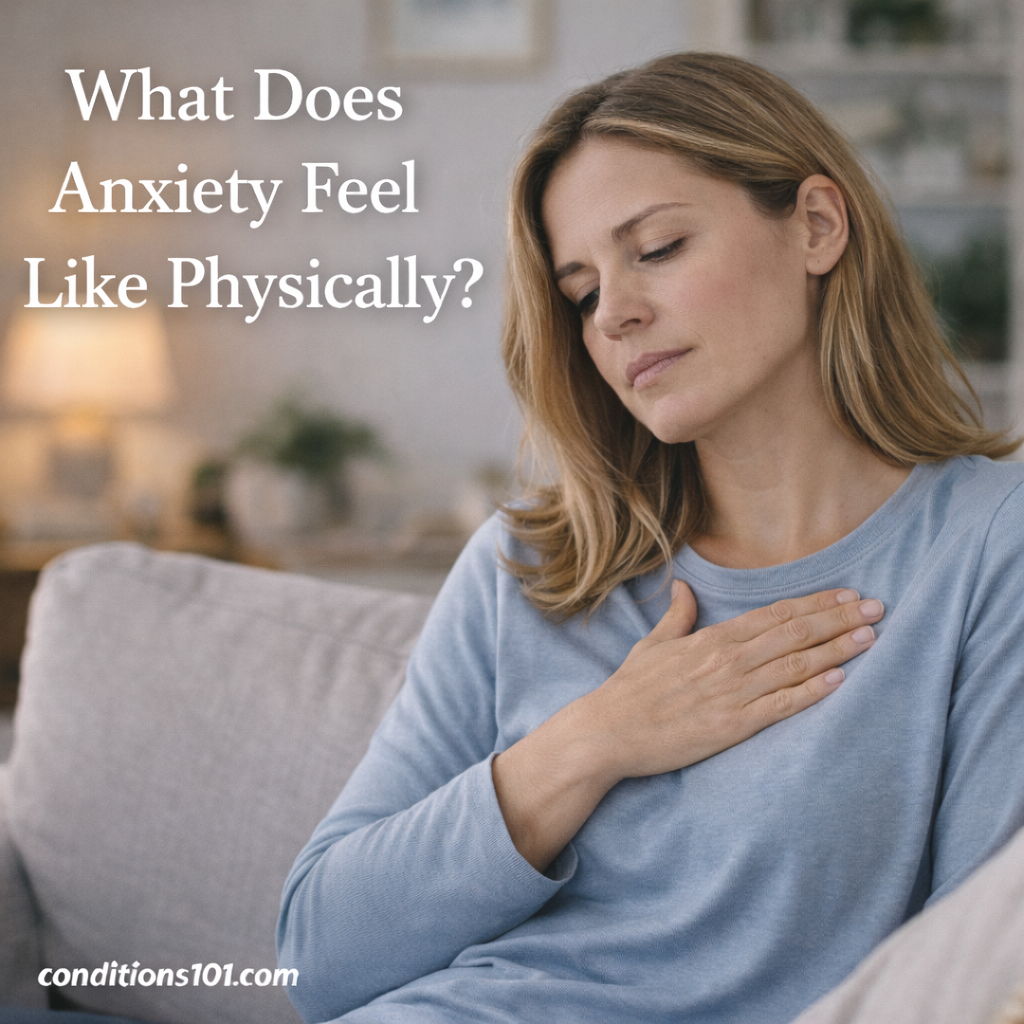
Anxiety can affect the body in many noticeable ways. While anxiety is often thought of as an emotional or mental experience, it frequently involves physical sensations as well. These bodily responses are part of the body’s natural stress reaction and can vary widely from person to person.
This article provides an educational overview of the physical sensations commonly associated with anxiety, how they may present, and how they can influence daily life. It is for general informational purposes only and does not provide medical advice, diagnosis, or treatment.
How Anxiety Affects the Body
Anxiety activates the body’s stress response system, sometimes referred to as the “fight-or-flight” response. This system prepares the body to respond to perceived threats, even when no immediate danger is present.
When this response is triggered:
- Stress hormones are released
- Heart rate and breathing may change
- Muscles may tense
- Sensory awareness can increase
These reactions are normal biological processes, but when they occur frequently, they can become uncomfortable or concerning.
Common Physical Sensations Associated With Anxiety
Physical symptoms of anxiety can involve many parts of the body. Some sensations are subtle, while others are more noticeable.
Chest and Breathing Sensations
- Tightness or pressure in the chest
- Rapid or shallow breathing
- Feeling short of breath
- Frequent sighing or yawning
These sensations are commonly reported and may come and go.
Heart and Circulation Sensations
- Awareness of heartbeat or pounding heart
- Faster-than-usual heart rate
- Feeling flushed or warm
- Cold hands or feet
Increased awareness of normal body functions is common during anxiety.
Muscle and Body Tension
- Tight or tense muscles
- Jaw clenching
- Neck or shoulder stiffness
- General body soreness
Muscle tension may build gradually or appear suddenly during anxious moments.
Digestive and Abdominal Sensations
- “Butterflies” in the stomach
- Nausea or unsettled feeling
- Changes in appetite
- Abdominal discomfort
The digestive system is closely connected to the stress response.
Head and Sensory Changes
- Head pressure or heaviness
- Lightheadedness
- Tingling sensations
- Heightened sensitivity to sounds or lights
These sensations may feel unfamiliar but are commonly discussed in relation to anxiety.
Why Anxiety Can Feel So Physical
Anxiety-related physical sensations occur because the brain and body are closely connected. When the brain perceives stress, it signals the body to prepare for action.
Key reasons anxiety feels physical include:
- Activation of stress hormones
- Increased muscle readiness
- Changes in blood flow
- Heightened nervous system activity
These responses are designed to protect the body, even if the perceived threat is not physical.
How Physical Anxiety Sensations May Appear
Physical sensations linked to anxiety can vary in timing and intensity.
They may:
- Appear suddenly or gradually
- Come and go throughout the day
- Be triggered by specific situations
- Occur without a clear trigger
Some people notice physical symptoms before emotional anxiety becomes noticeable.
Anxiety Sensations vs. Other Physical Symptoms
Physical anxiety sensations can overlap with sensations from other causes, which is why they are sometimes confusing.
Anxiety-Related Sensations
- Often fluctuate
- May improve with rest or calming activities
- Can be linked to stress or worry
Other Physical Causes
- May be more consistent or progressive
- Often linked to physical exertion, illness, or injury
- Typically require professional evaluation for clarity
Because sensations can overlap, persistent or concerning symptoms are usually discussed with a healthcare professional.
How Physical Anxiety Can Affect Daily Life
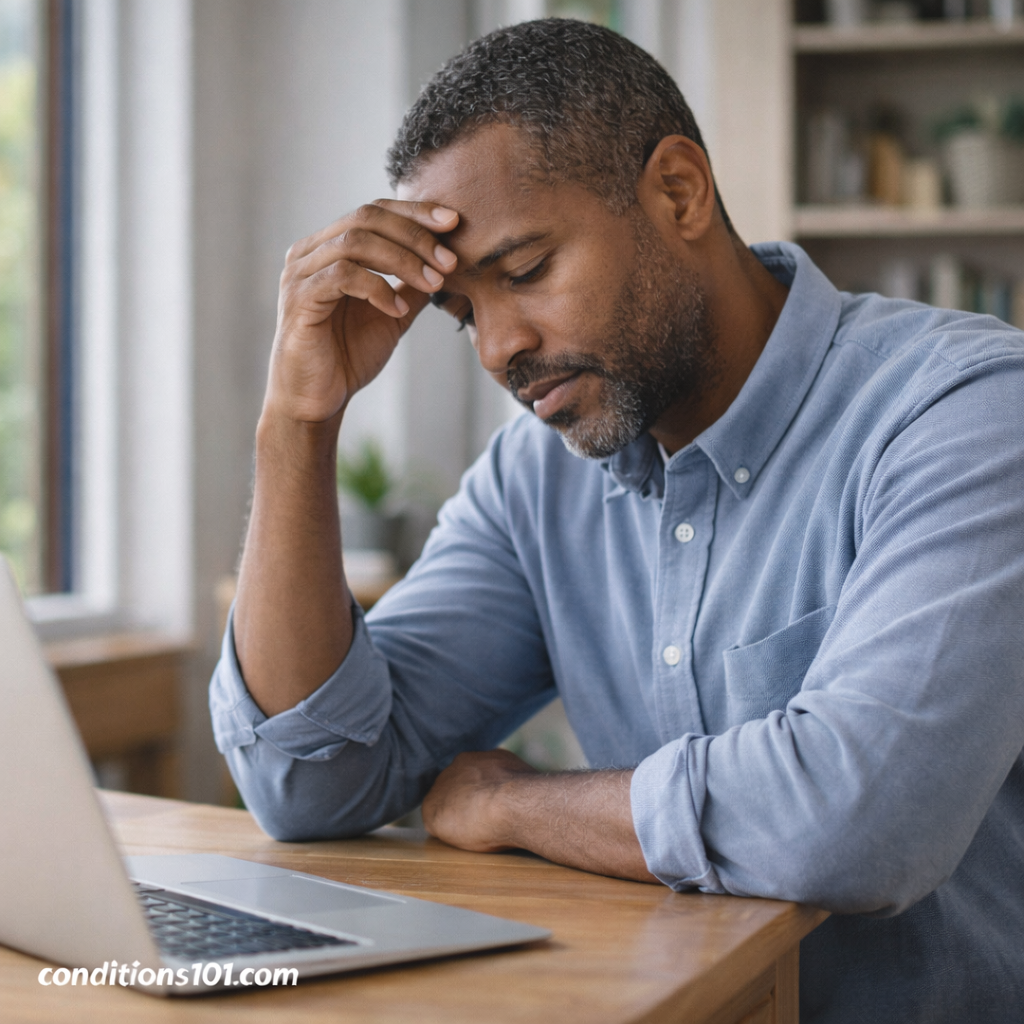
Physical sensations from anxiety may influence daily routines, even when emotional anxiety feels manageable.
Possible Daily Impacts
- Avoidance of certain activities
- Increased body awareness or checking
- Difficulty relaxing
- Fatigue from prolonged tension
The impact can range from mild to disruptive depending on frequency and intensity.
Physical Anxiety Sensations Across Different People
Not everyone experiences anxiety in the same way.
Differences may include:
- Which body areas are affected
- How intense sensations feel
- How long sensations last
- How often they occur
Some people experience mainly physical symptoms, while others notice emotional symptoms first.
Frequently Asked Questions About Physical Anxiety
Can anxiety cause real physical sensations?
Yes. Anxiety-related sensations are real physical experiences caused by the body’s stress response.
Do physical anxiety symptoms mean something is wrong?
Not necessarily. Physical sensations can occur even when there is no underlying physical condition.
Can anxiety affect multiple body systems at once?
Yes. Anxiety can influence breathing, muscles, digestion, circulation, and sensory perception at the same time.
Key Takeaways
- Anxiety often involves physical sensations, not just thoughts or emotions
- Symptoms can affect breathing, muscles, digestion, and senses
- Sensations vary widely between individuals
- Physical anxiety responses are linked to the body’s stress system
- Understanding physical sensations supports informed health conversations