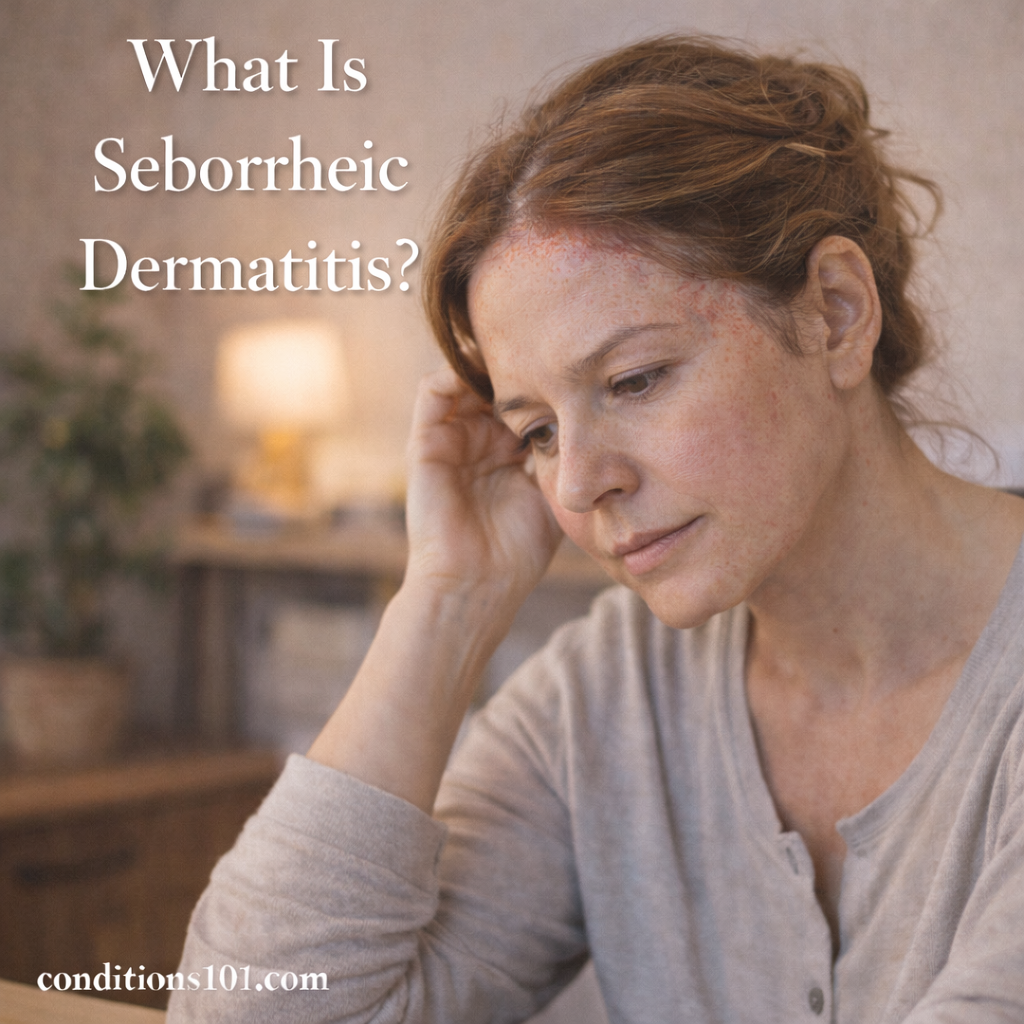

Keratosis pilaris is a common, non-contagious skin condition that causes small, rough bumps to form on the surface of the skin. These bumps are often described as feeling like sandpaper or “chicken skin” and most commonly appear on the upper arms, thighs, cheeks, or buttocks.
Keratosis pilaris is harmless and not a sign of poor hygiene or infection. It is considered a cosmetic skin condition rather than a medical problem. This article explains keratosis pilaris for educational purposes only and does not provide medical advice, diagnosis, or treatment.
Understanding Keratosis Pilaris
Keratosis pilaris occurs when keratin, a natural protein in the skin, builds up and plugs hair follicles. This buildup creates tiny raised bumps around the follicle opening.
Keratin plays an important role in protecting the skin, but in keratosis pilaris, excess keratin does not shed normally. Instead, it forms small plugs that affect the skin’s texture.
What Keratosis Pilaris Looks and Feels Like
The appearance of keratosis pilaris can vary, but it is commonly described as:
- Small, uniform bumps
- Rough or dry skin texture
- Bumps that are skin-colored, white, red, or slightly pink
- Areas that feel bumpy rather than painful
The bumps are usually not itchy or sore, although dryness or mild irritation may sometimes be present.
Common Areas Affected

Keratosis pilaris tends to appear in specific areas of the body where hair follicles are dense.
Common locations include:
- Upper arms
- Thighs
- Buttocks
- Cheeks (especially in children)
- Forearms
It usually appears symmetrically, affecting both sides of the body in a similar way.
Who Commonly Experiences Keratosis Pilaris
Keratosis pilaris is very common and can affect people of all ages.
It is often seen:
- In children and teenagers
- In people with dry or sensitive skin
- In individuals with a family history of the condition
Many people first notice keratosis pilaris during childhood or adolescence, and it may change in appearance over time.
Why Keratosis Pilaris Develops
The exact reason some people develop keratosis pilaris is not fully understood. It is generally linked to how the skin produces and sheds keratin.
Factors commonly associated with keratosis pilaris include:
- Genetic tendency
- Naturally dry skin
- Seasonal changes, especially colder or drier weather
- Skin conditions linked to dryness
It is not caused by blocked pores from dirt or oil and is not related to hygiene practices.
Keratosis Pilaris and Skin Dryness
Keratosis pilaris often becomes more noticeable when the skin is dry. During colder months or in low-humidity environments, the bumps may appear more prominent.
Many people notice improvement during warmer, more humid seasons when skin moisture levels are higher.
Is Keratosis Pilaris a Medical Concern?
Keratosis pilaris is considered benign. It does not lead to skin damage, infection, or serious health issues.
Key points include:
- It is not contagious
- It does not scar the skin
- It does not develop into a more serious condition
- It does not indicate underlying disease
For most people, keratosis pilaris is primarily a cosmetic concern related to skin texture and appearance.
How Keratosis Pilaris Can Change Over Time
Keratosis pilaris often fluctuates rather than remaining constant.
Some people notice:
- Improvement with age
- Seasonal changes in appearance
- Periods where the bumps are less noticeable
- Gradual softening of skin texture over time
In many cases, keratosis pilaris becomes less prominent in adulthood, though it may not disappear completely.
Keratosis Pilaris vs Other Skin Bumps
Keratosis pilaris is sometimes confused with other skin conditions because of its bumpy appearance.
Unlike acne or folliculitis:
- Keratosis pilaris does not involve infection
- It does not produce pus or blackheads
- It is usually not inflamed or painful
The bumps are consistent in size and distribution, which helps distinguish it from other skin issues.
Emotional and Appearance Considerations
Although keratosis pilaris is harmless, it can affect how people feel about their skin, especially in visible areas.
Common experiences include:
- Feeling self-conscious about skin texture
- Avoiding certain clothing styles
- Increased focus on skin appearance
Understanding that keratosis pilaris is common and benign can help reduce unnecessary concern.
A Common and Harmless Skin Condition
Keratosis pilaris is one of the most common skin texture conditions. It reflects how the skin naturally sheds keratin rather than a health problem.
Important points to remember:
- It is extremely common
- It varies from person to person
- It often improves over time
- It does not indicate poor skin health
Awareness and understanding help normalize the condition and place it in a non-alarming context.
Key Takeaways
- Keratosis pilaris causes small, rough skin bumps
- It results from keratin buildup in hair follicles
- It commonly affects arms, thighs, and cheeks
- It is harmless and non-contagious
- Appearance may change over time
Keratosis pilaris is a normal variation in skin texture and is widely experienced across different age groups.