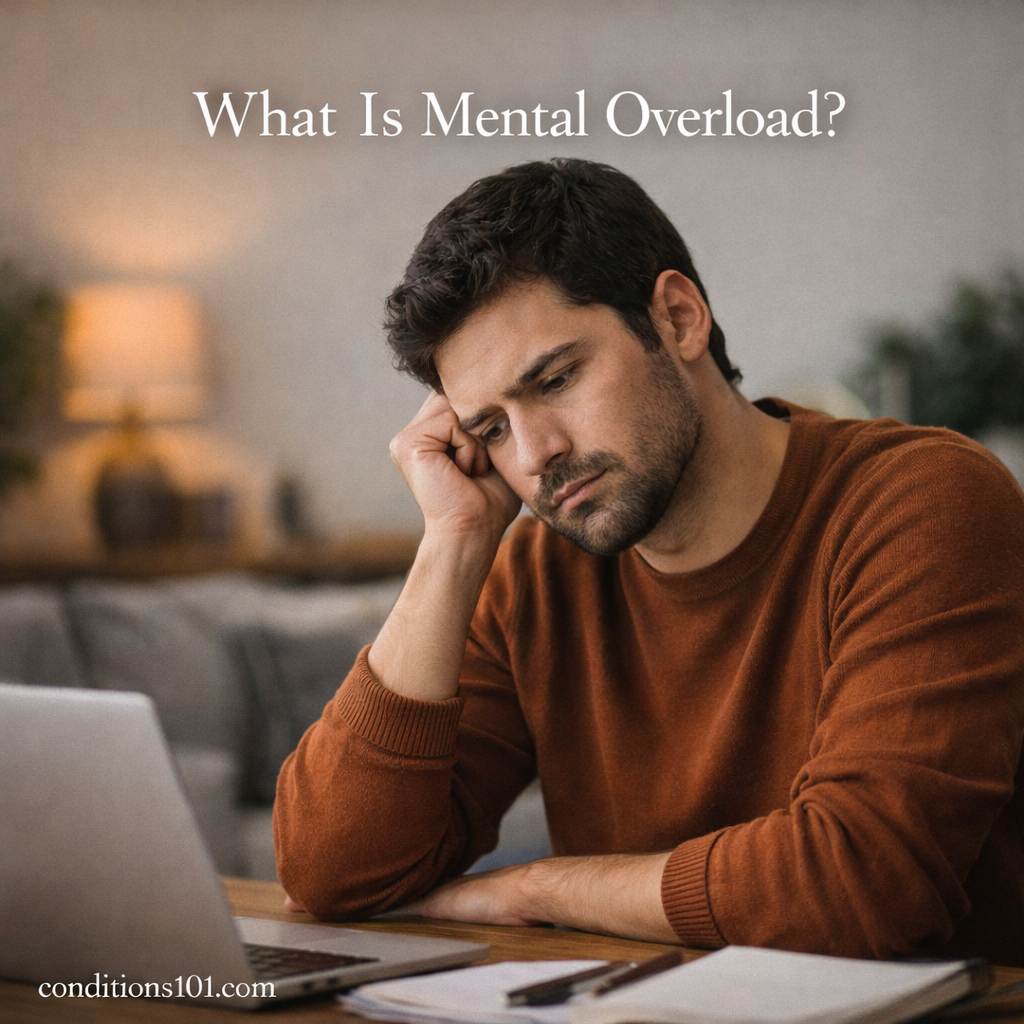
Chronic back pain refers to ongoing or recurring discomfort in the back that lasts for an extended period of time. It is commonly described as pain that continues for several months or longer, even if its intensity changes over time.
Back pain can affect different areas of the back, including the lower back, middle back, or upper back. Chronic back pain is often discussed separately from short-term or acute back pain because it tends to have a longer duration and may influence daily routines, mobility, and comfort.
This article provides an educational overview of chronic back pain for general informational purposes only.
Understanding the Back and Spine
The back is a complex structure that supports movement, posture, and stability. It includes:
- The spine, made up of vertebrae
- Discs that cushion the vertebrae
- Muscles and ligaments that support movement
- Nerves that transmit signals between the body and brain
These components work together to allow bending, twisting, standing, and lifting. Because the back plays such a central role in movement, it is exposed to frequent stress and strain.
What Makes Back Pain “Chronic”?
Back pain is generally described as chronic when it persists beyond the expected period of recovery. While short-term back pain often improves within weeks, chronic back pain continues for a longer duration.
Chronic back pain may:
- Remain constant or fluctuate in intensity
- Come and go over time
- Feel dull, aching, stiff, or sharp depending on the situation
The experience of chronic back pain varies widely from person to person.
Common Areas Affected by Chronic Back Pain
Chronic back pain can occur in different regions of the back.
Lower Back
The lower back is the most commonly affected area. It bears much of the body’s weight and is involved in many everyday movements.
Middle Back
Pain in the middle back is less common but may occur due to posture-related strain or muscle tension.
Upper Back and Neck Area
Upper back discomfort can be associated with muscle stiffness, posture, or prolonged sitting.
Common Factors Associated With Chronic Back Pain
Chronic back pain can be linked to a variety of factors. In many cases, more than one factor may be involved.
Commonly discussed factors include:
- Muscle or ligament strain
- Repetitive movements or overuse
- Poor posture or prolonged sitting
- Previous back injuries
- Age-related changes in the spine
Not everyone with these factors experiences chronic back pain, but they may influence back comfort over time.
How Chronic Back Pain Can Affect Daily Life

Chronic back pain can influence physical activity, routines, and overall comfort. The degree of impact varies greatly among individuals.
Possible effects include:
- Difficulty sitting, standing, or walking for long periods
- Reduced flexibility or range of motion
- Changes in work or activity habits
- Increased focus on body positioning and movement
Some people adapt their routines gradually, while others notice more immediate limitations.
Chronic Back Pain Over Time
Chronic back pain does not follow a single pattern. For some individuals, symptoms remain relatively stable. For others, pain may fluctuate with activity levels, posture, or daily demands.
Changes over time may be influenced by:
- Activity and movement patterns
- Physical conditioning
- Work or lifestyle demands
- Natural changes in the body
Because of this variability, experiences with chronic back pain can differ widely.
Common Misconceptions About Chronic Back Pain
There are several misunderstandings surrounding chronic back pain.
Chronic Back Pain Always Gets Worse
Chronic back pain does not necessarily worsen over time. Some people experience stable or improving patterns.
Only Older Adults Have Chronic Back Pain
While more common with age, chronic back pain can affect adults of many ages.
All Back Pain Has the Same Cause
Back pain can result from many different factors, and not all cases are the same.
Key Takeaways
- Chronic back pain refers to long-lasting or recurring back discomfort
- It can affect different areas of the back
- Many factors may contribute to ongoing back pain
- The impact on daily life varies from person to person
- Experiences with chronic back pain are highly individual