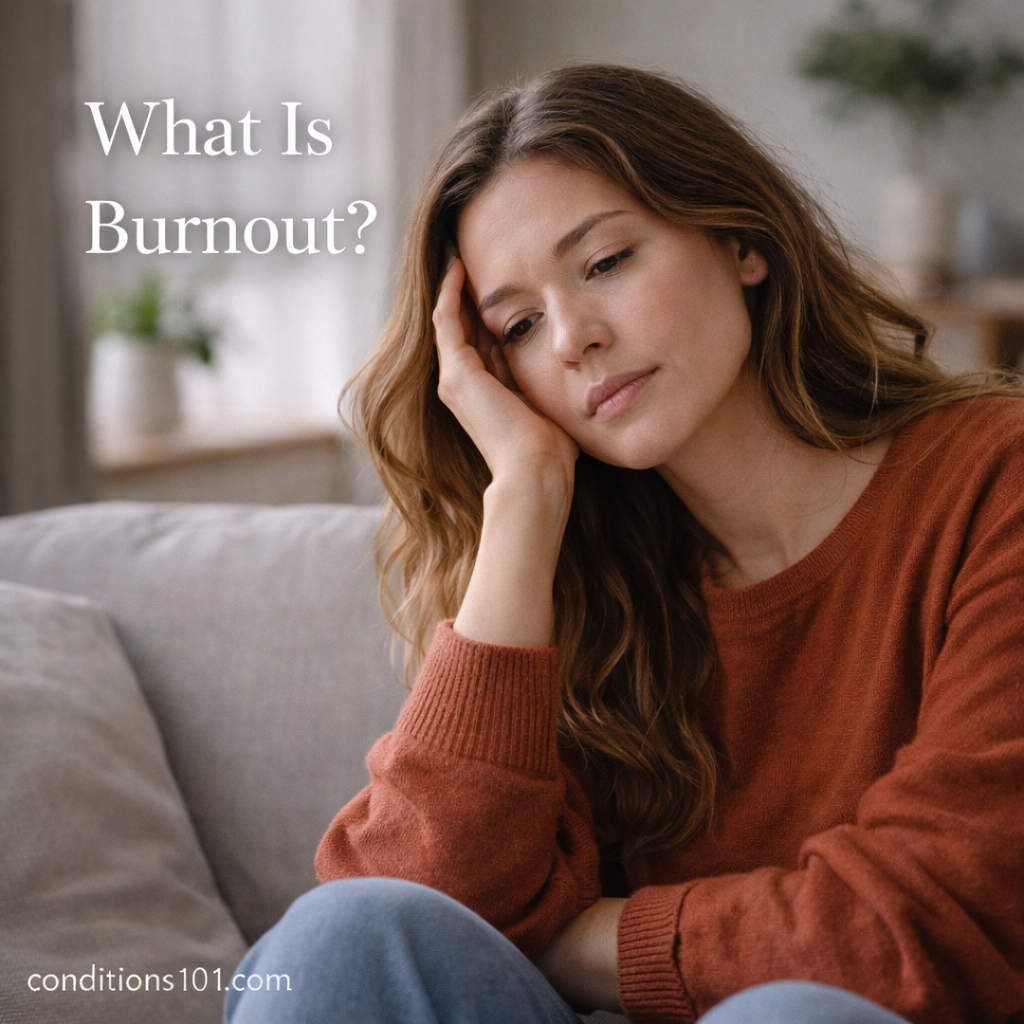
Burnout is a state of prolonged mental, emotional, and physical exhaustion that develops after extended periods of stress, pressure, or overload. It is commonly discussed in relation to work, caregiving, or ongoing responsibilities, but it can affect many areas of life. Burnout is not a sudden event; it typically builds gradually over time.
This article provides education-only, evergreen information to explain what burnout is, how it is commonly experienced, and how it can affect thinking, emotions, and daily functioning. It does not provide medical advice, diagnosis, or treatment.
Understanding Burnout as a Process
Burnout is often described as the result of long-term stress without adequate recovery. Unlike short-term stress, which may resolve once a situation improves, burnout reflects sustained strain that overwhelms coping resources.
Burnout is commonly associated with:
- Ongoing demands without sufficient rest
- Feeling unable to meet expectations
- Limited sense of control or reward
- Repeated exposure to emotional or mental strain
Over time, these factors can contribute to a sense of depletion rather than temporary fatigue.
How Burnout Is Commonly Described
People experiencing burnout often describe changes in how they feel, think, and function.
Common descriptions include:
- Feeling emotionally drained
- Loss of motivation or enthusiasm
- Persistent mental fatigue
- Feeling detached or disconnected
- A sense of being “used up”
These experiences tend to persist rather than fluctuate day to day.
Emotional Experiences Linked to Burnout
Burnout can affect emotional regulation and responsiveness.
People may notice:
- Irritability or impatience
- Emotional numbness
- Reduced sense of accomplishment
- Feeling overwhelmed by small tasks
- Difficulty experiencing satisfaction or joy
Emotional changes may feel subtle at first and become more noticeable over time.
Cognitive and Mental Effects

Burnout often affects thinking and concentration.
Common cognitive experiences include:
- Difficulty focusing or staying organized
- Slower thinking or decision-making
- Forgetfulness or mental fog
- Trouble prioritizing tasks
- Reduced creativity or problem-solving ability
These changes can impact performance at work, school, or in daily responsibilities.
Physical Sensations Often Associated With Burnout
Although burnout is primarily discussed as a mental and emotional state, physical sensations are frequently reported.
These may include:
- Persistent tiredness
- Low energy despite rest
- Headaches or muscle tension
- Changes in sleep patterns
- Increased susceptibility to minor illnesses
Physical symptoms often reflect prolonged stress on the body.
Burnout vs. Normal Stress or Fatigue
Stress and tiredness are common experiences, but burnout differs in important ways.
Burnout is often characterized by:
- Ongoing exhaustion rather than temporary tiredness
- Reduced engagement rather than increased urgency
- Feeling detached rather than energized
- Difficulty recovering with rest alone
While stress may motivate action in the short term, burnout tends to reduce motivation and capacity.
Common Situations Where Burnout Is Discussed
Burnout is frequently associated with roles or situations involving sustained responsibility.
Commonly discussed contexts include:
- Work environments with high demands
- Caregiving roles
- Academic pressure
- Chronic life stress
- Lack of boundaries between responsibilities and rest
Burnout can occur even in roles that are meaningful or personally important.
How Burnout Can Affect Daily Life
As burnout progresses, it may influence everyday routines and relationships.
Possible effects include:
- Procrastination or avoidance
- Reduced productivity
- Withdrawal from social interaction
- Feeling emotionally distant from others
- Difficulty maintaining routines
These changes often develop gradually and may be mistaken for loss of interest or motivation.
Why Burnout Is Sometimes Hard to Recognize
Burnout does not always appear dramatic or sudden, which can make it difficult to identify.
Reasons it may go unnoticed include:
- Gradual onset over time
- Normalization of stress and exhaustion
- Continued functioning despite internal strain
- Belief that rest alone will resolve symptoms
As a result, burnout is often recognized only after it has become more severe.
Common Misconceptions About Burnout
Several misunderstandings can affect how burnout is perceived.
- Burnout is not the same as laziness
- It is not caused by lack of effort
- It does not mean someone dislikes their responsibilities
- It can affect highly motivated individuals
Understanding these points helps reduce stigma and self-blame.
Why Learning About Burnout Matters
Education about burnout helps clarify how prolonged stress can affect mental and cognitive functioning. Understanding burnout supports awareness of limits, recovery needs, and the importance of sustainable routines without assuming a specific diagnosis.
Key Takeaways
- Burnout is a state of prolonged mental, emotional, and physical exhaustion
- It develops gradually due to ongoing stress and pressure
- Emotional, cognitive, and physical changes are commonly reported
- Burnout differs from short-term stress or fatigue
- Education helps promote understanding and reduce misconceptions