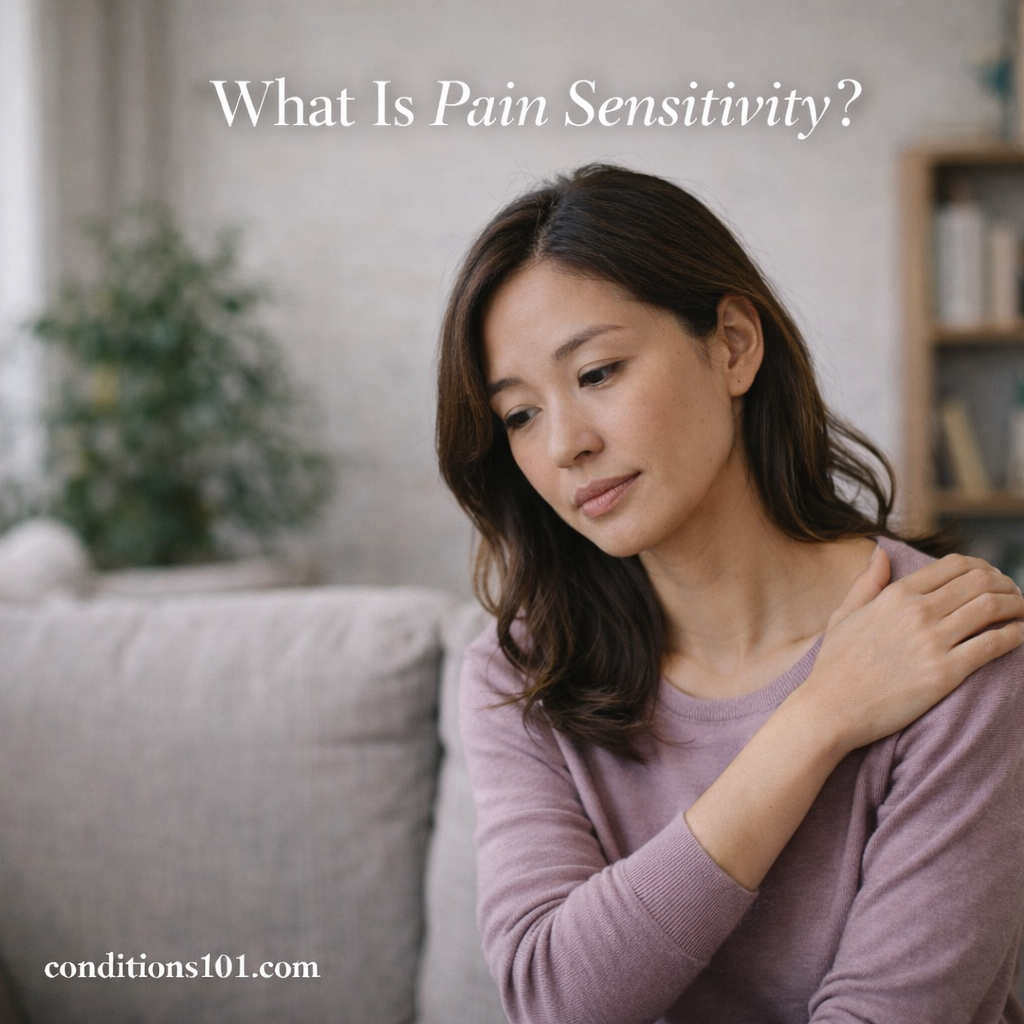

Neck pain refers to discomfort, stiffness, or soreness in the area of the neck, which connects the head to the shoulders and upper back. It is a common physical complaint that can range from mild and temporary to persistent and disruptive, depending on underlying factors and daily habits.
Neck pain is not a single condition. Instead, it describes a symptom that can arise from muscles, joints, nerves, or supporting structures in the neck. This article explains neck pain in a clear, educational way without providing medical advice, diagnosis, or treatment.
Understanding the Neck’s Structure
The neck, also known as the cervical spine, is a complex structure designed to support the head while allowing flexibility and movement.
Key components of the neck include:
- Cervical vertebrae (bones)
- Muscles and tendons
- Ligaments
- Nerves
- Intervertebral discs
Because the neck balances mobility and support, it can be sensitive to strain and stress.
Common Characteristics of Neck Pain
Neck pain can feel different from person to person. It may involve one or several sensations at the same time.
Common characteristics include:
- Aching or soreness
- Stiffness or reduced range of motion
- Sharp or localized discomfort
- Tightness in surrounding muscles
- Pain that worsens with certain movements or positions
Some people experience neck pain on one side, while others feel it across the entire neck area.
Acute vs. Chronic Neck Pain
Neck pain is often categorized by how long it lasts.
Acute Neck Pain
Acute neck pain is short-term and often develops suddenly. It is commonly linked to temporary strain or positioning issues.
Examples of situations associated with acute neck pain include:
- Sleeping in an awkward position
- Sudden movements or minor injuries
- Short-term muscle strain
Acute neck pain often improves as tissues recover and routines normalize.
Chronic Neck Pain
Chronic neck pain refers to discomfort that persists for an extended period or recurs frequently.
It may involve:
- Ongoing stiffness or tension
- Repeated flare-ups
- Reduced comfort during daily activities
Chronic neck pain is often discussed in broader physical health education due to its impact on daily functioning.
Common Factors That Can Contribute to Neck Pain
Neck pain can develop from a variety of physical and lifestyle-related factors.
Common contributors include:
- Poor posture, especially during prolonged sitting
- Extended screen use or desk work
- Repetitive movements
- Muscle tension or overuse
- Physical stress on the neck and shoulders
Multiple factors often interact rather than acting alone.
Neck Pain and Daily Activities

Everyday activities place regular demands on the neck. Small habits can add up over time.
Activities often discussed in relation to neck discomfort include:
- Looking down at phones or tablets
- Working at a computer without ergonomic support
- Carrying heavy bags on one side
- Long periods of driving
Awareness of daily movement patterns is often part of general neck health education.
Neck Pain and Muscle Tension
Muscle tension plays a significant role in many cases of neck pain. Stress, concentration, or prolonged positioning can cause muscles to tighten.
Muscle-related neck pain may involve:
- Tight or knotted muscles
- Reduced flexibility
- Discomfort spreading into the shoulders or upper back
Muscle tension does not always involve injury but can still affect comfort and movement.
Neck Pain vs. Normal Neck Stiffness
Occasional stiffness in the neck is common, especially after sleep or long periods in one position.
Neck pain generally differs from normal stiffness by involving:
- Ongoing discomfort
- Pain that limits movement
- Repeated or worsening sensations
Understanding this difference helps place neck pain within a broader physical health context.
Why Neck Pain Is So Common
Neck pain is widely reported because the neck plays a constant role in daily movement and posture.
Factors that make neck pain common include:
- Modern screen-based lifestyles
- Reduced movement variety
- Increased time spent seated
- Mental stress affecting muscle tension
Small, repeated stresses can influence neck comfort over time.
Key Takeaways
- Neck pain refers to discomfort or stiffness in the neck area
- It can involve muscles, joints, nerves, or supporting structures
- Neck pain may be acute or long-term
- Posture, movement habits, and muscle tension often play roles
- Experiences with neck pain vary widely between individuals