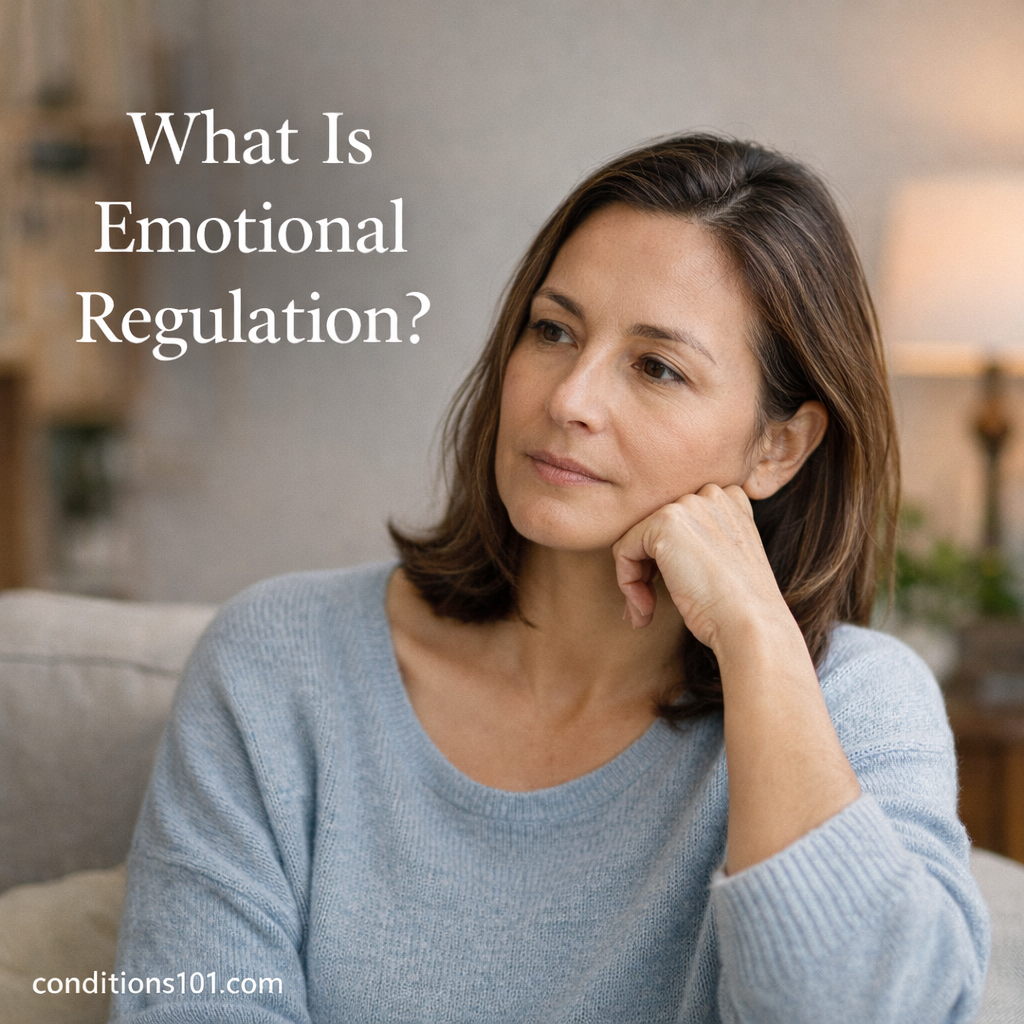
Emotional regulation refers to the ability to recognize, manage, and respond to emotions in a balanced and appropriate way. It involves how people experience feelings, how strongly those feelings arise, how long they last, and how they are expressed in everyday situations.
Emotional regulation is a normal part of human functioning and plays a role in relationships, decision-making, communication, and overall well-being. This article provides an educational overview of emotional regulation without offering medical advice, diagnosis, or treatment.
Understanding Emotions and Emotional Responses
Emotions are natural psychological and physiological responses to internal thoughts or external events. Common emotions include happiness, sadness, anger, fear, surprise, and frustration.
Emotional responses can vary in:
- Intensity (how strong the emotion feels)
- Duration (how long it lasts)
- Expression (how it is shown outwardly)
- Impact (how it influences behavior or thinking)
Emotional regulation helps shape how these responses unfold over time.
What Does Emotional Regulation Mean?
Emotional regulation is not about suppressing emotions or avoiding them altogether. Instead, it involves:
- Being aware of emotional states
- Understanding what may be triggering those emotions
- Adjusting reactions when needed
- Expressing emotions in socially and personally appropriate ways
People regulate emotions both consciously and unconsciously throughout the day.
How Emotional Regulation Develops
Emotional regulation skills begin developing early in life and continue to evolve across the lifespan. Over time, individuals learn how to interpret emotional signals, respond to challenges, and adapt to social expectations.
Development is influenced by:
- Early life experiences
- Social interactions
- Cultural norms
- Learning and observation
- Personal reflection
These influences shape how emotions are handled in different situations.
Components of Emotional Regulation
Emotional regulation involves several interconnected processes.
Emotional Awareness
This refers to recognizing and identifying emotions as they occur.
Examples include:
- Noticing feelings of frustration during a difficult task
- Recognizing excitement before an important event
- Becoming aware of tension in stressful situations
Awareness is often the first step in regulation.
Emotional Understanding
Understanding emotions involves recognizing why a feeling may be present and how it relates to thoughts or experiences.
This may include:
- Linking emotions to specific situations
- Understanding patterns in emotional reactions
- Identifying emotional triggers
Emotional Response Management

This aspect focuses on how emotions are expressed or acted upon.
It can involve:
- Choosing when to speak or pause
- Modifying tone or body language
- Redirecting attention or behavior
Management does not remove emotions but helps guide responses.
Emotional Regulation in Everyday Life
Emotional regulation is used frequently in daily activities, including:
- Handling disagreements
- Responding to stress at work or school
- Navigating social situations
- Managing disappointment or frustration
- Staying focused during challenges
These skills support smoother interactions and clearer thinking.
Emotional Regulation Across the Lifespan
Emotional regulation abilities can change over time.
- Children gradually learn emotional control through guidance and experience
- Adolescents may experience stronger emotional reactions as regulation skills mature
- Adults often refine regulation through life experience
- Older adults may rely on learned strategies and emotional insight
These changes reflect development, not weakness or strength.
Emotional Regulation vs. Emotional Suppression
It is helpful to distinguish emotional regulation from emotional suppression.
Emotional regulation:
- Acknowledges emotions
- Allows expression when appropriate
- Adjusts responses thoughtfully
Emotional suppression:
- Pushes emotions away
- Avoids emotional awareness
- May limit expression entirely
Regulation focuses on balance rather than avoidance.
Factors That Influence Emotional Regulation
Many factors shape how individuals regulate emotions.
Personal Factors
These may include:
- Personality traits
- Temperament
- Coping styles
- Past experiences
Social and Environmental Factors
External influences can also play a role, such as:
- Family dynamics
- Cultural expectations
- Workplace or school environments
- Social support systems
Emotional regulation reflects both internal and external influences.
Why Emotional Regulation Matters
Understanding emotional regulation can help people:
- Improve communication and relationships
- Respond more effectively to challenges
- Recognize emotional patterns
- Support emotional well-being
Education about emotional regulation promotes awareness without labeling or judgment.
Key Takeaways
- Emotional regulation is the ability to manage and respond to emotions thoughtfully
- It involves awareness, understanding, and response management
- Emotional regulation develops over time and varies between individuals
- It differs from suppressing or ignoring emotions
- These skills are used daily in social and personal situations
Final Thoughts
Emotional regulation is a fundamental part of human experience, influencing how people interact with the world and with others. While emotional responses are natural and unavoidable, the ways they are managed can shape daily experiences and long-term well-being.
Learning about emotional regulation helps normalize emotional experiences and encourages balanced, informed perspectives on emotional health.