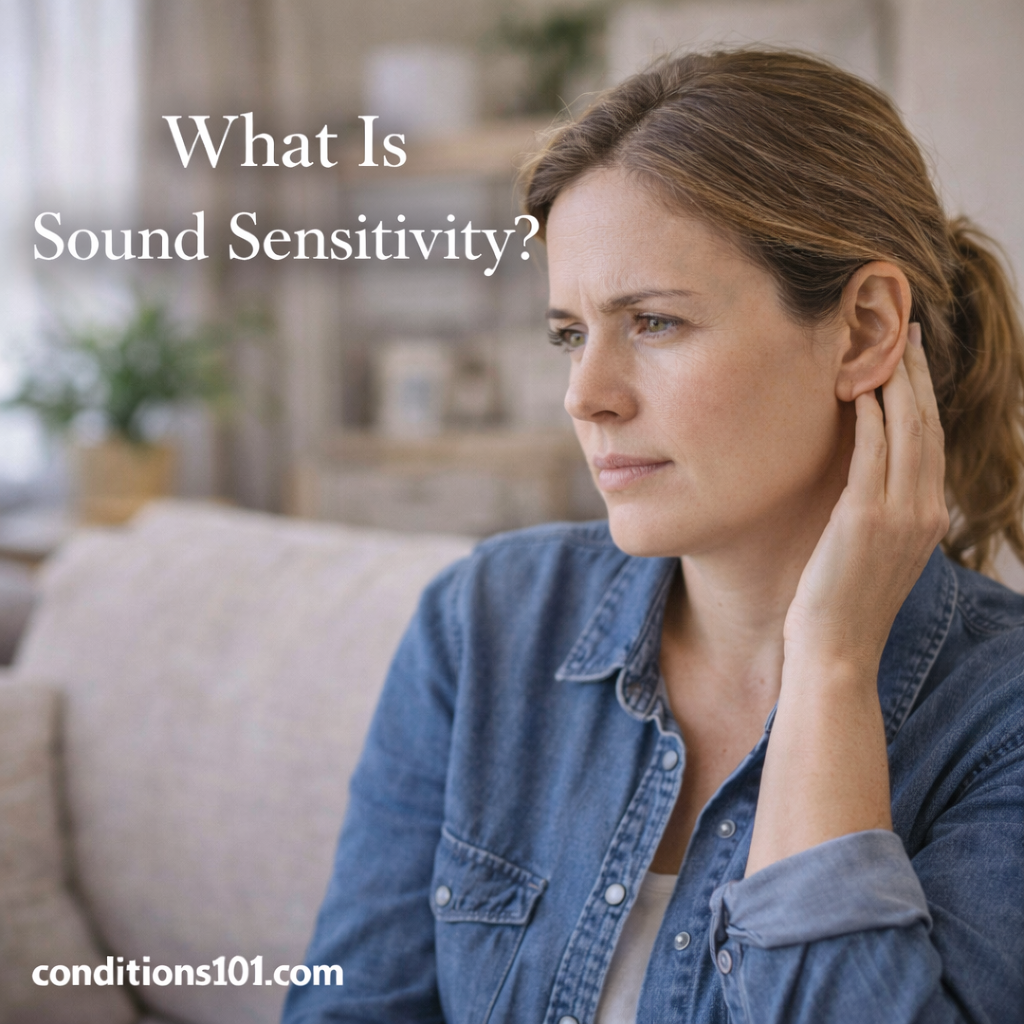
Sound sensitivity refers to an increased awareness of or reaction to everyday sounds that most people find tolerable. Individuals with sound sensitivity may perceive certain noises as unusually loud, uncomfortable, distracting, or overwhelming, even when the volume is relatively low.
This article provides a clear, educational explanation of sound sensitivity for general informational purposes. It does not offer medical advice, diagnosis, or treatment.
Understanding Sound Sensitivity
Sound sensitivity involves how the brain processes and responds to auditory input. Rather than an issue with hearing ability alone, it often relates to how sounds are interpreted by the nervous system.
For some people, normal environmental noises—such as conversations, traffic, appliances, or background sounds—can feel intrusive or difficult to ignore.
What Does Sound Sensitivity Feel Like?
Experiences of sound sensitivity vary widely, but common descriptions include:
- Feeling overwhelmed by everyday noises
- Discomfort or irritation from sounds others barely notice
- Difficulty focusing in noisy environments
- A strong urge to avoid loud or busy settings
- Heightened awareness of background sounds
Sound sensitivity may be constant or occur only in certain situations.
Common Terms Related to Sound Sensitivity
Sound sensitivity is sometimes discussed using different terms, depending on the context.
- Hyperacusis: Increased sensitivity to normal sound levels
- Misophonia: Strong emotional reactions to specific sounds
- Phonophobia: Fear or anxiety related to certain sounds
These terms describe overlapping but distinct experiences involving sound perception and response.
Situations Where Sound Sensitivity Is Often Noticed
Sound sensitivity may be more noticeable in environments with multiple or unpredictable noises.
Common examples include:
- Busy restaurants or cafés
- Open offices or classrooms
- Traffic-heavy streets
- Crowded social gatherings
- Homes with constant background noise
Quiet or controlled environments may feel more comfortable.
Factors Commonly Associated With Sound Sensitivity
Sound sensitivity can be influenced by a range of neurological, sensory, and situational factors.
Neurological and sensory factors
- Heightened nervous system responsiveness
- Changes in auditory processing
- Sensory processing differences
Emotional and cognitive factors
- Stress or mental overload
- Fatigue or poor sleep
- Difficulty filtering background stimuli
Environmental and lifestyle factors
- Prolonged exposure to noise
- Lack of quiet recovery time
- High-demand or overstimulating routines
Not everyone with these factors experiences sound sensitivity, and individual responses differ.
Sound Sensitivity vs. Normal Discomfort With Noise
Many people dislike loud noises, but sound sensitivity goes beyond typical annoyance.
- Normal discomfort usually occurs at high volumes
- Sound sensitivity may occur at everyday sound levels
- Reactions may feel immediate or intense
- Avoidance of sound may affect daily activities
The difference lies in intensity, persistence, and impact on daily life.
How Sound Sensitivity Can Affect Daily Life
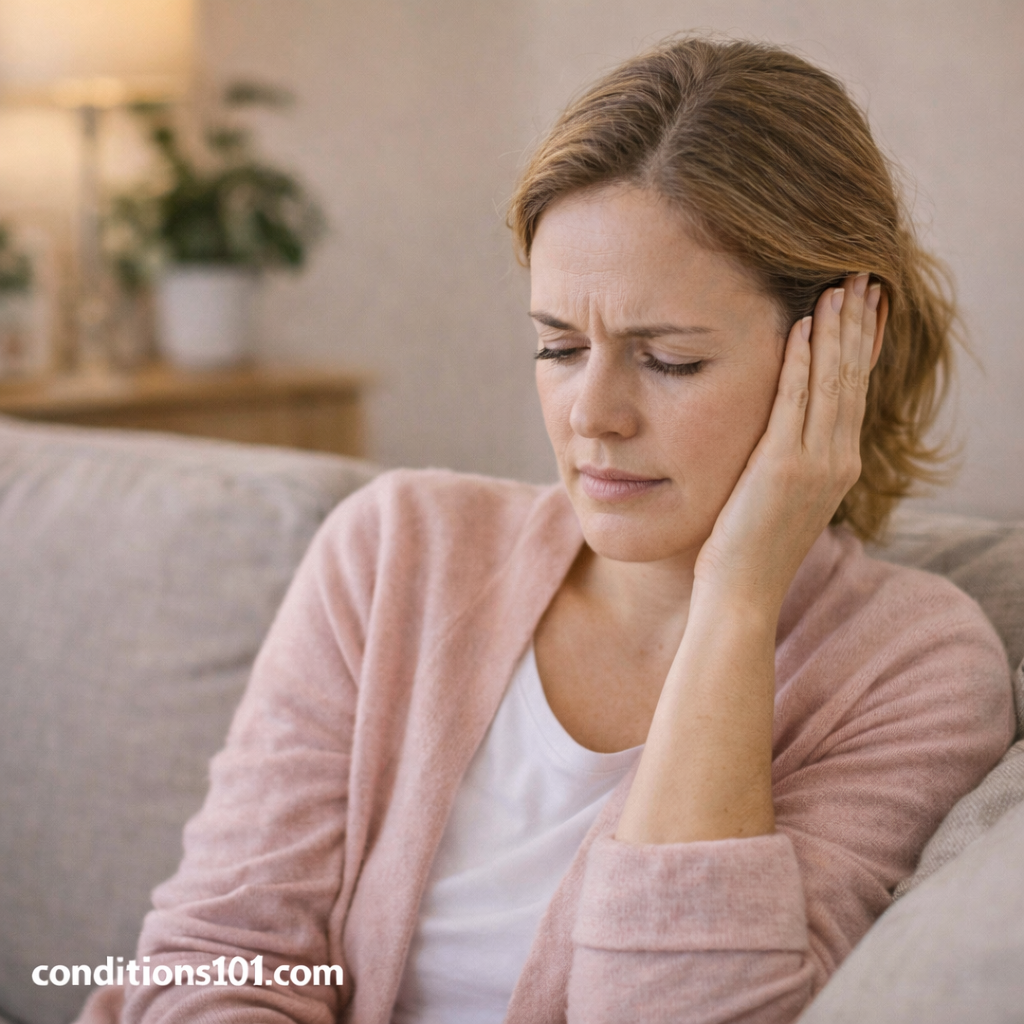
Sound sensitivity can influence routines, social interaction, and concentration.
Some people report:
- Difficulty working or studying in shared spaces
- Reduced enjoyment of social activities
- Increased mental fatigue
- A need for quiet breaks during the day
- Planning activities around noise levels
The impact may fluctuate depending on environment and stress levels.
Sound Sensitivity and Sensory Overload
Sound sensitivity is often discussed alongside the concept of sensory overload. Sensory overload occurs when the brain receives more sensory input than it can comfortably process.
When sound is one of many overwhelming stimuli, individuals may feel:
- Mentally exhausted
- Irritable or tense
- Withdrawn from stimulation
Understanding this connection helps explain why sound sensitivity can feel draining rather than merely annoying.
Common Misconceptions About Sound Sensitivity
There are several misunderstandings about sound sensitivity.
- “It’s just being easily annoyed.”
Sound sensitivity involves genuine sensory processing differences. - “Everyone experiences it the same way.”
Sensitivity varies widely in triggers and intensity. - “It only affects hearing.”
Sound sensitivity often involves the nervous system and attention processing.
Clarifying these misconceptions improves awareness and empathy.
Sound Sensitivity as a Neurological and Sensory Concept
Sound sensitivity is best understood as a difference in how auditory information is processed and managed by the brain. It can occur on its own or alongside other sensory or neurological experiences.
Learning about sound sensitivity supports better understanding of sensory health and why certain environments feel more challenging for some individuals.
Key Takeaways
- Sound sensitivity involves heightened reactions to everyday noises
- Sounds may feel uncomfortable, distracting, or overwhelming
- Experiences vary widely between individuals
- Sensory processing and nervous system activity play a role
- Sound sensitivity can influence focus, comfort, and daily routines