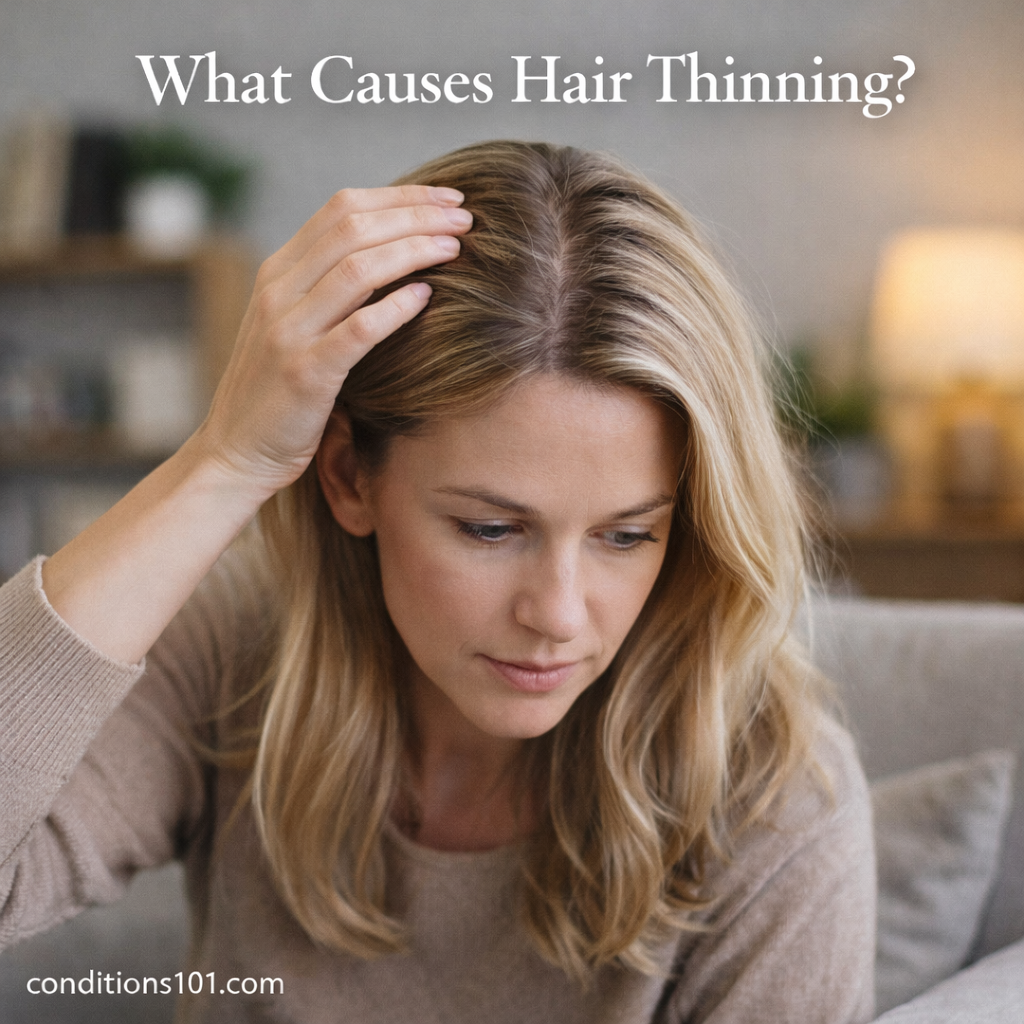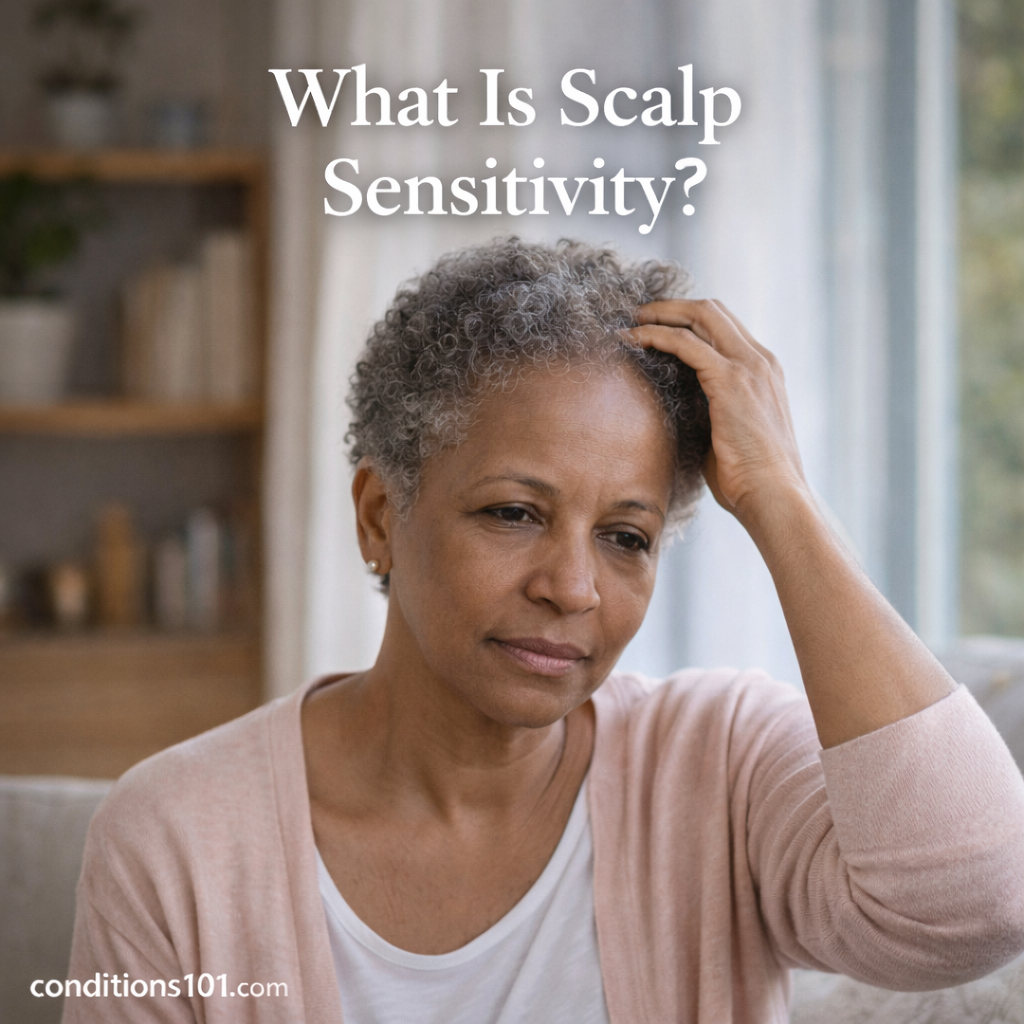
Scalp sensitivity is a term used to describe discomfort, tenderness, or heightened reactivity of the scalp. People with a sensitive scalp may notice sensations such as tightness, tingling, burning, itching, or soreness, even when there are no visible skin changes.
Scalp sensitivity is not a diagnosis. It is a descriptive experience that can vary in intensity, frequency, and triggers. Some people notice it occasionally, while others experience it more consistently as part of their daily routine.
Understanding the Scalp
The scalp is the skin that covers the head and supports hair growth. Like skin elsewhere on the body, it contains:
- Nerve endings
- Hair follicles
- Oil (sebum) glands
- Blood vessels
Because the scalp has a high concentration of nerve endings, it can be especially responsive to physical, chemical, or environmental factors. This sensitivity can influence how the scalp feels even when it appears normal.
What Scalp Sensitivity Feels Like
Scalp sensitivity can present in different ways depending on the individual and situation. Common descriptions include:
- A feeling of tightness or pressure
- Tingling or prickling sensations
- Burning or stinging feelings
- Tenderness when touching or brushing hair
- General discomfort without visible irritation
These sensations may come and go or appear during specific activities such as hair washing, styling, or exposure to certain conditions.
Scalp Sensitivity vs. Visible Scalp Issues
Scalp sensitivity does not always involve redness, flakes, or other visible signs. In many cases, the scalp looks completely normal despite discomfort.
- Visible scalp conditions involve noticeable changes to the skin.
- Scalp sensitivity focuses on sensation rather than appearance.
This distinction is important, as scalp sensitivity is often identified based on how the scalp feels rather than how it looks.
Common Situations Linked to Scalp Sensitivity

Scalp sensitivity is often discussed in relation to everyday factors rather than medical conditions.
Hair Care and Styling Practices
Certain routines may increase scalp awareness or discomfort, such as:
- Frequent washing or infrequent washing
- Tight hairstyles that pull on the scalp
- Heat styling tools
- Chemical hair treatments
- Heavy or fragranced hair products
Environmental Factors
External conditions can influence how the scalp feels, including:
- Temperature changes
- Dry air or humidity
- Sun exposure
- Wind or pollution
Physical and Lifestyle Factors
General lifestyle elements may also play a role, such as:
- Stress levels
- Fatigue
- Sleep habits
- Overall skin sensitivity
Scalp Sensitivity and Sensory Awareness
Some people naturally have heightened sensory awareness, meaning they are more likely to notice subtle physical sensations. For these individuals, scalp sensitivity may be part of a broader pattern of skin or sensory responsiveness.
This does not indicate a problem. It reflects differences in how people perceive and process physical sensations.
Temporary vs. Ongoing Scalp Sensitivity
Temporary Scalp Sensitivity
Short-term sensitivity may occur during periods of change, such as:
- Switching hair products
- Seasonal weather shifts
- Increased stress or fatigue
In these cases, sensitivity often fades as conditions stabilize.
Ongoing Scalp Sensitivity
For some individuals, scalp sensitivity is a recurring experience. It may fluctuate over time, becoming more noticeable during certain routines or environments.
How Scalp Sensitivity Can Affect Daily Life
Scalp sensitivity can influence everyday choices and comfort, including:
- Hair styling preferences
- Grooming routines
- Willingness to wear hats or headwear
- Awareness of scalp sensations throughout the day
While not always disruptive, ongoing sensitivity can become a source of frustration or distraction for some people.
Scalp Sensitivity Across Different Age Groups
Scalp sensitivity can occur at any age.
- Younger individuals may notice sensitivity related to styling habits or product use.
- Adults may experience sensitivity alongside lifestyle stressors or environmental exposure.
- Older adults may notice changes in skin comfort as part of normal aging.
The experience varies widely and is shaped by personal habits and surroundings.
Why the Term Is Used in Everyday and Beauty Contexts
Scalp sensitivity is commonly discussed in hair care, skincare, and cosmetic settings because it helps describe comfort-related experiences without labeling them as medical issues.
The term allows people to communicate sensations clearly and make informed personal choices about routines and products without implying a diagnosis.
Key Takeaways
- Scalp sensitivity refers to discomfort or heightened sensation on the scalp.
- It is based on how the scalp feels, not how it looks.
- Sensations may include tingling, tightness, burning, or tenderness.
- Sensitivity can be temporary or ongoing.
- Hair care habits, environment, and sensory awareness all play a role.