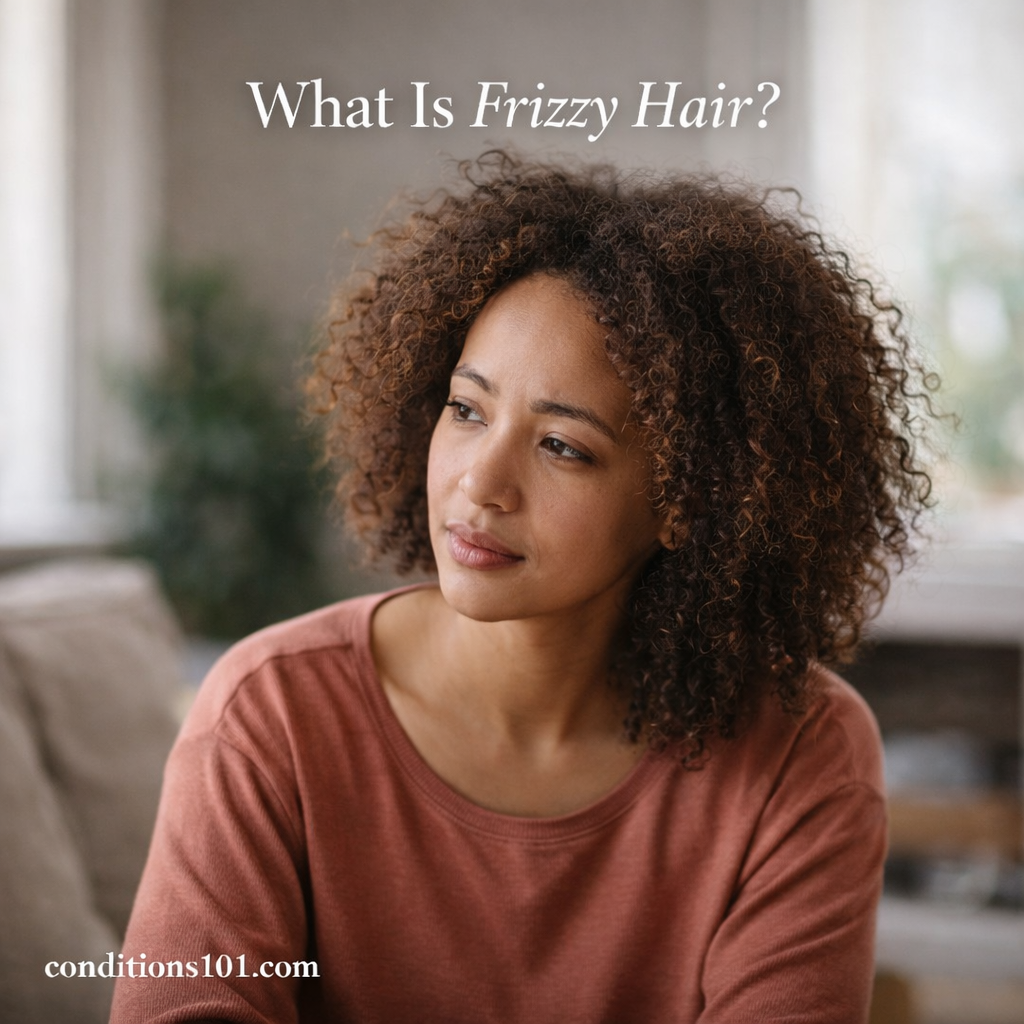
Frizzy hair refers to hair that appears dry, rough, or uneven, often with strands that do not lie smoothly together. Instead of looking sleek or defined, frizzy hair may puff up, look fuzzy, or feel coarse to the touch.
Frizz is not a hair type on its own. It is a condition that can affect straight, wavy, curly, or coily hair and may appear occasionally or persist depending on environmental factors, hair structure, and daily habits.
How Frizzy Hair Develops
Frizz occurs when the outer layer of the hair strand, known as the cuticle, becomes raised or uneven. When this happens, moisture from the surrounding environment can enter the hair shaft, causing it to swell and disrupt smooth alignment.
Hair that lacks internal moisture or has surface damage is more likely to react to humidity and become frizzy.
Common Characteristics of Frizzy Hair
Frizzy hair can look and feel different from person to person, but it often shares a few recognizable traits.
Common signs include:
- Flyaway strands that resist styling
- A rough or dry texture
- Hair that looks puffy or undefined
- Reduced shine
- Difficulty maintaining smoothness throughout the day
These characteristics may be more noticeable in certain weather conditions.
Factors That Contribute to Frizzy Hair
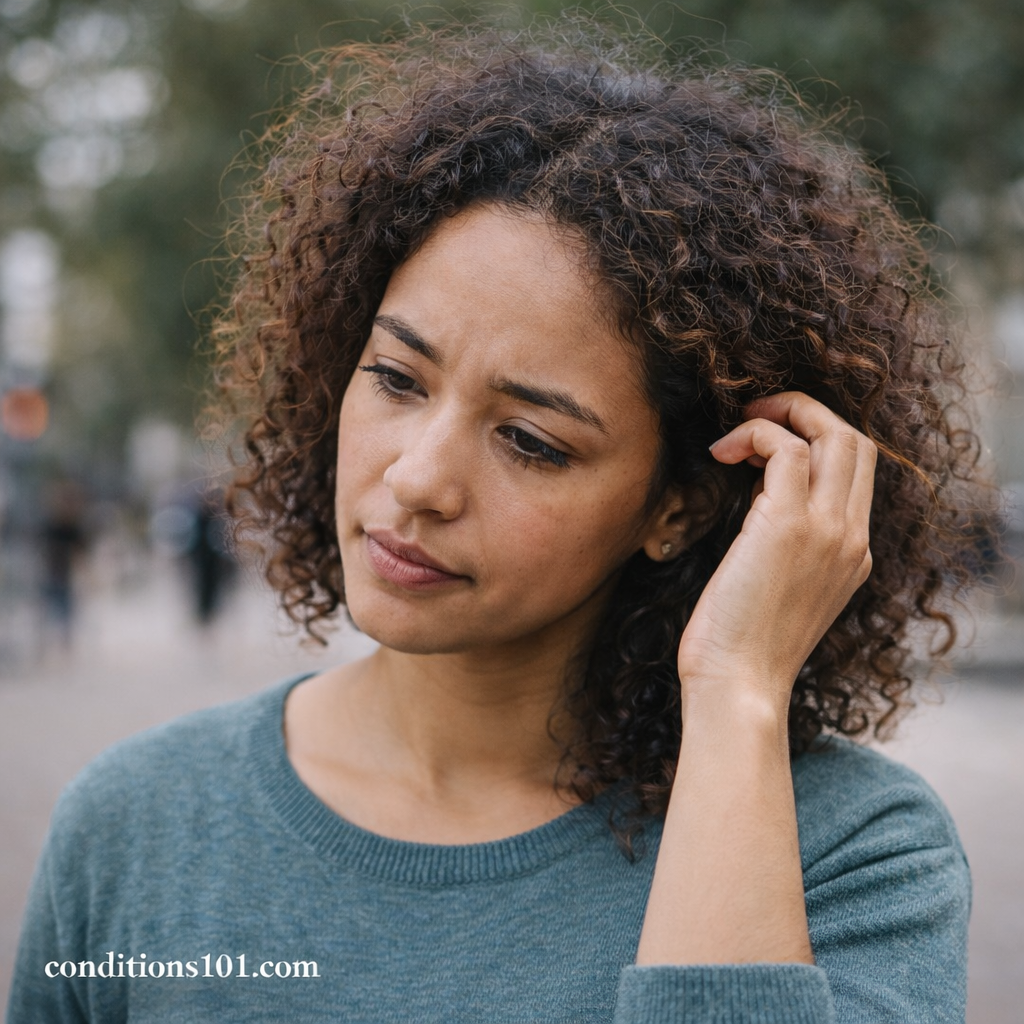
Frizz usually results from a combination of internal hair structure and external influences rather than a single cause.
Hair Structure and Texture
Hair texture plays a significant role in how prone hair is to frizz.
- Curly and wavy hair types naturally have raised cuticles, making them more susceptible
- Fine hair may show frizz more visibly
- Coarse hair may feel frizzy due to dryness rather than flyaways
Each hair type responds differently to moisture and environmental exposure.
Environmental Conditions
External conditions often influence when and how frizz appears.
Examples include:
- High humidity
- Dry climates
- Wind exposure
- Seasonal changes
Humidity is one of the most common triggers, as moisture in the air interacts with the hair shaft.
Hair Care and Styling Habits
Daily routines can also affect how smooth or frizzy hair appears over time.
Factors may include:
- Frequent heat styling
- Overwashing
- Harsh cleansing products
- Towel drying with friction
- Chemical processing or coloring
Repeated stress on the hair cuticle can increase frizz potential.
Frizzy Hair vs Naturally Textured Hair
It is important to distinguish frizz from natural texture.
- Naturally textured hair has intentional waves, curls, or coils
- Frizz refers to strands that behave unpredictably or appear dry and misaligned
Healthy textured hair can still experience frizz under certain conditions.
Is Frizzy Hair Permanent?
Frizz is often situational rather than permanent. Some people notice it only in humid weather, while others experience it regularly due to hair structure or ongoing environmental exposure.
Changes in routine, climate, or hair condition may affect how often frizz appears over time.
Why Frizzy Hair Is So Common
Frizzy hair is widespread because hair is constantly exposed to the environment. Weather, grooming habits, and natural hair characteristics all interact daily, making complete frizz prevention difficult.
Because of this, frizz is considered a normal and common hair concern rather than an abnormal condition.
Key Takeaways
- Frizzy hair occurs when hair strands do not lie smoothly together.
- It can affect all hair types, including straight and curly hair.
- Raised or damaged cuticles allow moisture to disrupt hair alignment.
- Humidity, hair structure, and daily habits all play a role.
- Frizz is common and often influenced by changing conditions.
Understanding what frizzy hair is helps explain why it appears and why it can vary so much from day to day.