Joint pain is a broad term used to describe discomfort, soreness, stiffness, or aching felt in one or more joints of the body. Joints are the areas where two or more bones meet, such as the knees, hips, shoulders, elbows, and fingers. When joint pain occurs, it can affect movement, comfort, and daily activities.
This article provides a general, educational overview of joint pain, including what it is, common ways it may be experienced, typical contributing factors, and how it can affect everyday life. It is intended for informational purposes only and does not provide medical advice, diagnosis, or treatment.
Understanding Joints and Their Role
Joints allow the body to move and provide flexibility and support. They are complex structures made up of several components working together.
Key Parts of a Joint
- Bones that meet at the joint
- Cartilage that cushions bone ends
- Ligaments that connect bones
- Tendons that attach muscles to bones
- Synovial fluid that helps reduce friction
When any part of a joint is irritated, strained, or affected by changes over time, discomfort may be felt.
How Joint Pain Is Commonly Described
Joint pain can feel different depending on the person, the joint involved, and the situation.
Common Sensations
- Aching or soreness
- Stiffness, especially after rest
- Tenderness when touched
- Discomfort during movement
Some people notice joint pain only occasionally, while others experience it more regularly.
Joints Commonly Affected
Joint pain can occur in any joint, but certain areas are more commonly mentioned.
Frequently affected joints include:
- Knees
- Hips
- Shoulders
- Hands and fingers
- Ankles
- Lower back joints
Pain may involve a single joint or multiple joints at the same time.
When Joint Pain Tends to Occur
Joint pain often follows patterns related to activity, rest, or daily habits.
Common situations where joint discomfort may be noticed:
- After physical activity or repetitive movements
- After long periods of sitting or inactivity
- Upon waking in the morning
- During changes in weather or temperature
These patterns can vary widely between individuals.
Factors Commonly Associated With Joint Pain
Joint pain does not usually have a single cause. It is often linked to a combination of factors related to movement, age, or physical stress.
Lifestyle and Activity Factors
- Repetitive motions or overuse
- High-impact physical activity
- Poor posture or body mechanics
- Limited movement or prolonged sitting
Physical and Age-Related Factors
- Natural wear and tear over time
- Reduced joint flexibility
- Changes in muscle strength or balance
Not everyone with these factors experiences joint pain, but they are often discussed in general explanations.
Joint Pain and Daily Life
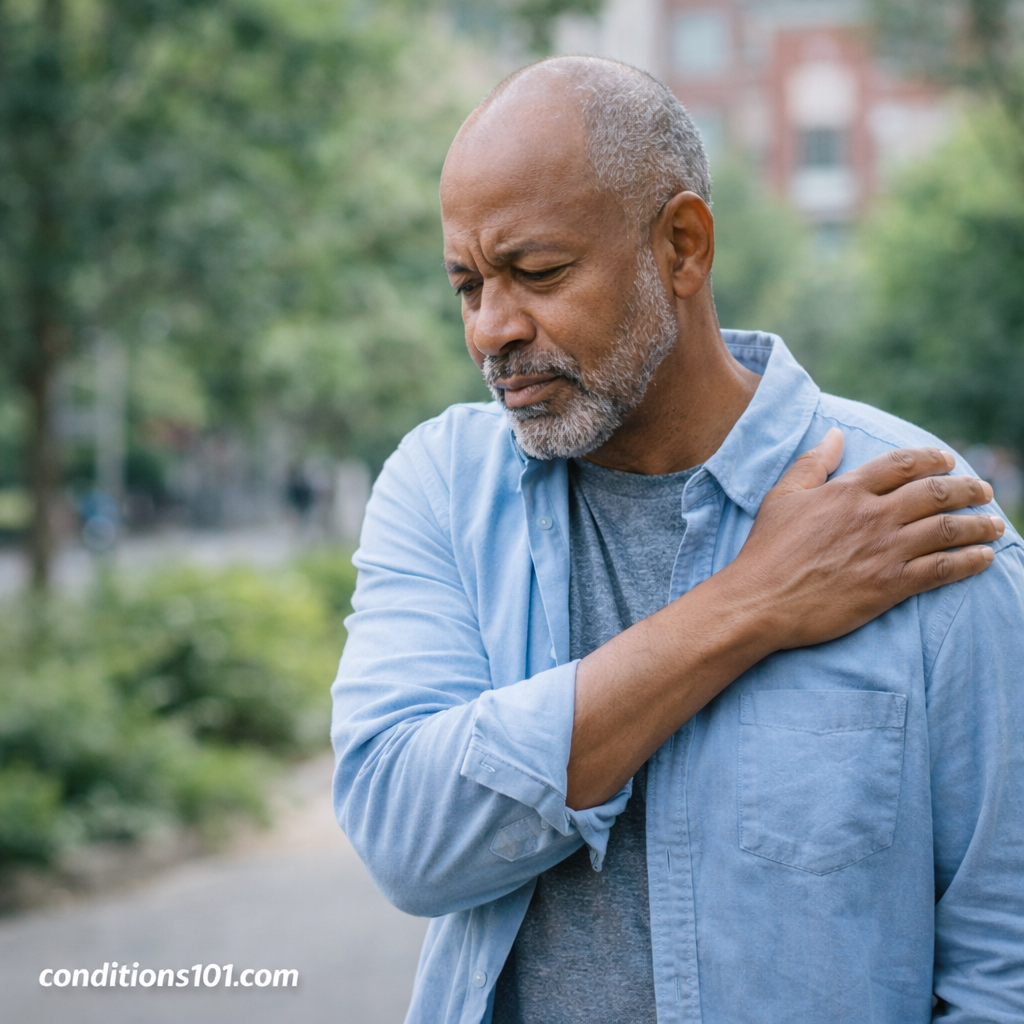
For some individuals, joint pain is mild and short-lived. For others, it may affect comfort during everyday tasks.
Possible Effects on Daily Activities
- Difficulty climbing stairs or walking long distances
- Reduced comfort during work or household tasks
- Stiffness when getting up after rest
- Avoidance of certain movements or activities
The impact of joint pain on daily life can range from minimal to more noticeable, depending on the individual.
Joint Pain in Different Age Groups
Joint pain can affect people at any stage of life, though experiences may differ by age.
Younger Adults
- Often linked to physical activity or overuse
- May be temporary and activity-related
Middle-Aged Adults
- May notice stiffness or discomfort more regularly
- Joint flexibility may gradually change
Older Adults
- Joint discomfort may be more frequent
- Stiffness after rest is commonly reported
This article focuses on general concepts and does not address individual evaluation.
Joint Pain vs. Muscle Pain
Joint pain and muscle pain are sometimes confused, but they involve different parts of the body.
Joint Pain
- Felt at the connection between bones
- Often linked to movement or pressure on a joint
Muscle Pain
- Felt in the soft tissue surrounding joints
- Often related to muscle strain or tension
Because sensations can overlap, distinguishing between them may require professional assessment.
How Joint Pain Is Commonly Discussed
In educational and healthcare settings, joint pain is often discussed in terms of:
- Location of discomfort
- Frequency and duration
- Activities that make it better or worse
Understanding these patterns helps provide context but does not replace professional evaluation.
Frequently Asked Questions About Joint Pain
Is joint pain common?
Yes. Joint pain is widely discussed as a common physical complaint across many age groups.
Can joint pain affect more than one joint?
Yes. Some people experience discomfort in multiple joints at the same time.
Is joint pain always long-term?
No. Joint pain can be temporary or recurring, depending on individual circumstances.
Key Takeaways
- Joint pain refers to discomfort felt in one or more joints
- It can vary in intensity, location, and frequency
- Many lifestyle and physical factors are commonly associated
- Joint pain can affect daily comfort and movement
- Educational understanding supports informed discussions with professionals