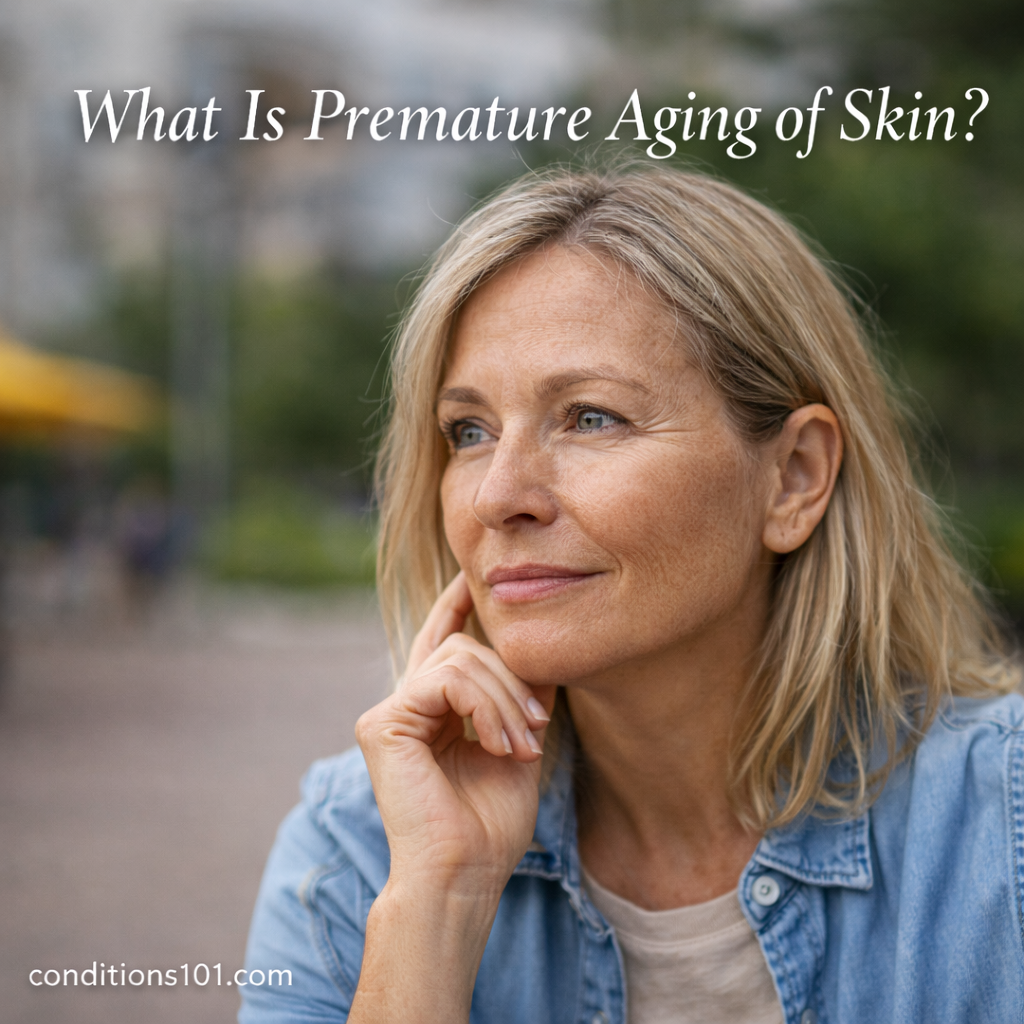
Premature aging of the skin refers to visible skin changes that appear earlier than what is typically expected for a person’s age. These changes often resemble natural signs of aging—such as fine lines, uneven texture, or changes in skin tone—but develop sooner due to a combination of lifestyle, environmental, and genetic factors.
This article provides an educational overview of premature skin aging, explaining what it is, how it differs from natural aging, common contributing factors, and frequent misconceptions. The information is for general education only and does not provide medical advice, diagnosis, or treatment.
Understanding Skin Aging
Skin aging is a natural biological process that occurs over time. As people age, the skin gradually becomes thinner, less elastic, and slower to regenerate. These changes are influenced by internal processes such as cell turnover and collagen production.
Premature aging refers to similar changes that occur earlier than expected, often due to external influences that accelerate the skin’s aging process. While natural aging is unavoidable, the rate at which skin shows visible changes can vary widely between individuals.
What Is Considered Premature Skin Aging?
Premature aging of the skin is generally defined by the early appearance of aging-related characteristics, including:
- Fine lines or wrinkles at a younger age
- Uneven skin tone or discoloration
- Rough or dry skin texture
- Loss of firmness or elasticity
- Dull or tired-looking skin
These signs may appear gradually and become more noticeable over time. The exact age at which skin changes are considered “premature” can differ depending on genetics, environment, and lifestyle context.
Common Factors Linked to Premature Skin Aging
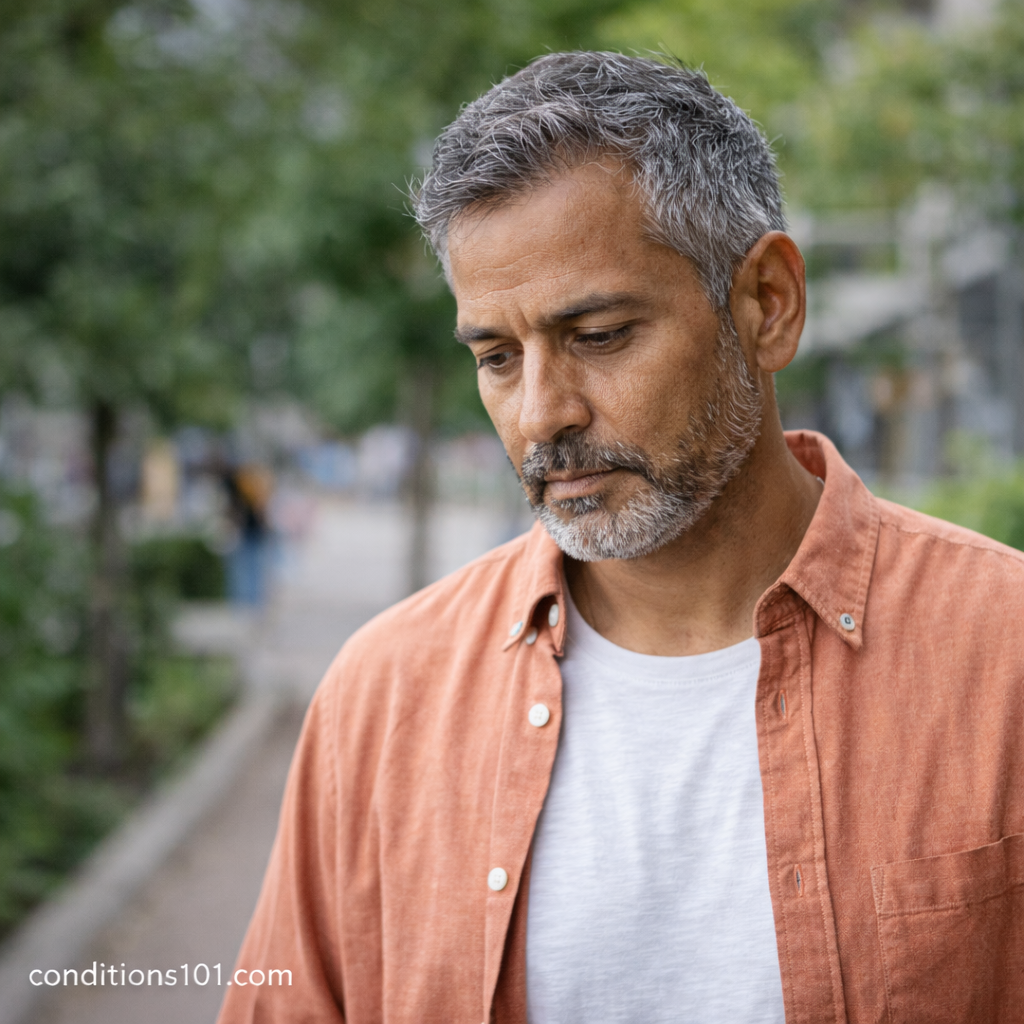
There is no single cause of premature skin aging. Instead, it is usually influenced by multiple overlapping factors.
Sun and environmental exposure
Long-term exposure to sunlight and environmental elements can affect how skin cells function over time. These exposures may contribute to changes in skin texture, tone, and elasticity.
Lifestyle habits
Daily habits can influence skin appearance over the long term, including:
- Smoking or exposure to secondhand smoke
- Inconsistent sleep patterns
- Chronic stress
- Limited hydration
- Repetitive facial expressions
These factors do not affect everyone equally, and their impact often depends on duration and combination.
Skin care and daily routines
The way skin is cared for on a regular basis may also influence how it ages. Harsh cleansing, excessive exfoliation, or neglecting basic skin protection can affect skin resilience over time.
Genetic and biological factors
Genetics play a significant role in how skin ages. Some people may naturally show signs of aging earlier or later due to inherited traits related to skin structure and repair.
Premature Aging vs. Natural Skin Aging
Understanding the difference between premature and natural aging helps clarify why the term is used.
Natural skin aging
- Occurs gradually over decades
- Is largely influenced by biological processes
- Affects everyone at varying rates
- Develops predictably with age
Premature skin aging
- Appears earlier than expected
- Is often influenced by external factors
- May vary significantly between individuals
- Can affect visible skin quality sooner
Both processes can occur simultaneously, making it difficult to separate one influence from another.
Areas of the Skin Commonly Affected
Premature aging is often more noticeable in areas that are frequently exposed or used.
Commonly affected areas include:
- Face
- Neck
- Hands
- Forearms
- Upper chest
These areas may show visible changes earlier due to greater environmental exposure or repeated movement.
Common Misconceptions About Premature Skin Aging
Several misunderstandings exist around premature aging of the skin.
“Only older adults experience skin aging”
Skin aging begins earlier than many people realize, and visible changes can appear at different life stages.
“Premature aging means something is wrong”
Early skin changes are not necessarily a sign of illness and can reflect normal variation influenced by lifestyle and environment.
“One factor causes premature aging”
Skin aging is rarely caused by a single influence. It usually results from a combination of factors over time.
“Everyone ages at the same rate”
Skin aging varies widely due to genetics, habits, and environmental conditions.
Why Premature Skin Aging Is Discussed in Appearance and Health Education
Premature aging of the skin is often discussed in educational contexts because skin appearance is closely linked to overall well-being, self-image, and environmental exposure.
Educational discussions focus on:
- Understanding how external factors affect skin over time
- Recognizing normal variation in aging patterns
- Reducing stigma around appearance changes
- Promoting informed conversations about skin health
These discussions aim to increase awareness rather than promote cosmetic ideals or medical intervention.
Key Takeaways
- Premature aging of the skin refers to early appearance of aging-related skin changes
- It differs from natural aging primarily by timing, not by type of changes
- Multiple factors, including environment, lifestyle, and genetics, contribute
- Visible changes vary widely between individuals
- Education focuses on understanding patterns, not diagnosis or treatment