Fatigue and sleepiness are often used interchangeably in everyday conversation, but they describe different experiences related to energy, alertness, and rest. Understanding the distinction helps clarify how the body and mind respond to physical, mental, and emotional demands.
This article provides an educational overview of fatigue and sleepiness, how they differ, how they are commonly experienced, and why the distinction matters in sleep and fatigue discussions. It does not provide medical advice, diagnosis, or treatment.
Understanding Fatigue
Fatigue is a state of persistent tiredness or lack of energy that is not always relieved by rest or sleep. It can affect the body, the mind, or both.
Fatigue is often described as:
- Feeling drained or exhausted
- Having low physical or mental energy
- Difficulty sustaining effort or motivation
- A general sense of heaviness or weariness
Fatigue may build gradually and can be influenced by physical activity, mental workload, emotional stress, or lifestyle factors.
Understanding Sleepiness
Sleepiness refers specifically to a strong urge or tendency to fall asleep. It is closely linked to sleep patterns and the body’s natural sleep–wake cycle.
Sleepiness is commonly described as:
- Struggling to keep eyes open
- Nodding off during quiet moments
- Reduced alertness or reaction time
- Feeling better after sleeping
Unlike fatigue, sleepiness is more directly related to insufficient or poorly timed sleep.
Key Differences Between Fatigue and Sleepiness
Although fatigue and sleepiness can occur together, they are not the same.
Fatigue
- Involves low energy rather than a need to sleep
- Can persist even after adequate sleep
- May affect motivation, focus, and physical endurance
- Often linked to prolonged demands or stress
Sleepiness
- Involves an actual drive to fall asleep
- Often improves after rest or sleep
- Strongly tied to sleep duration and quality
- Common during quiet or low-stimulation activities
A person can feel fatigued without being sleepy, or sleepy without feeling fatigued.
How Fatigue and Sleepiness Can Overlap
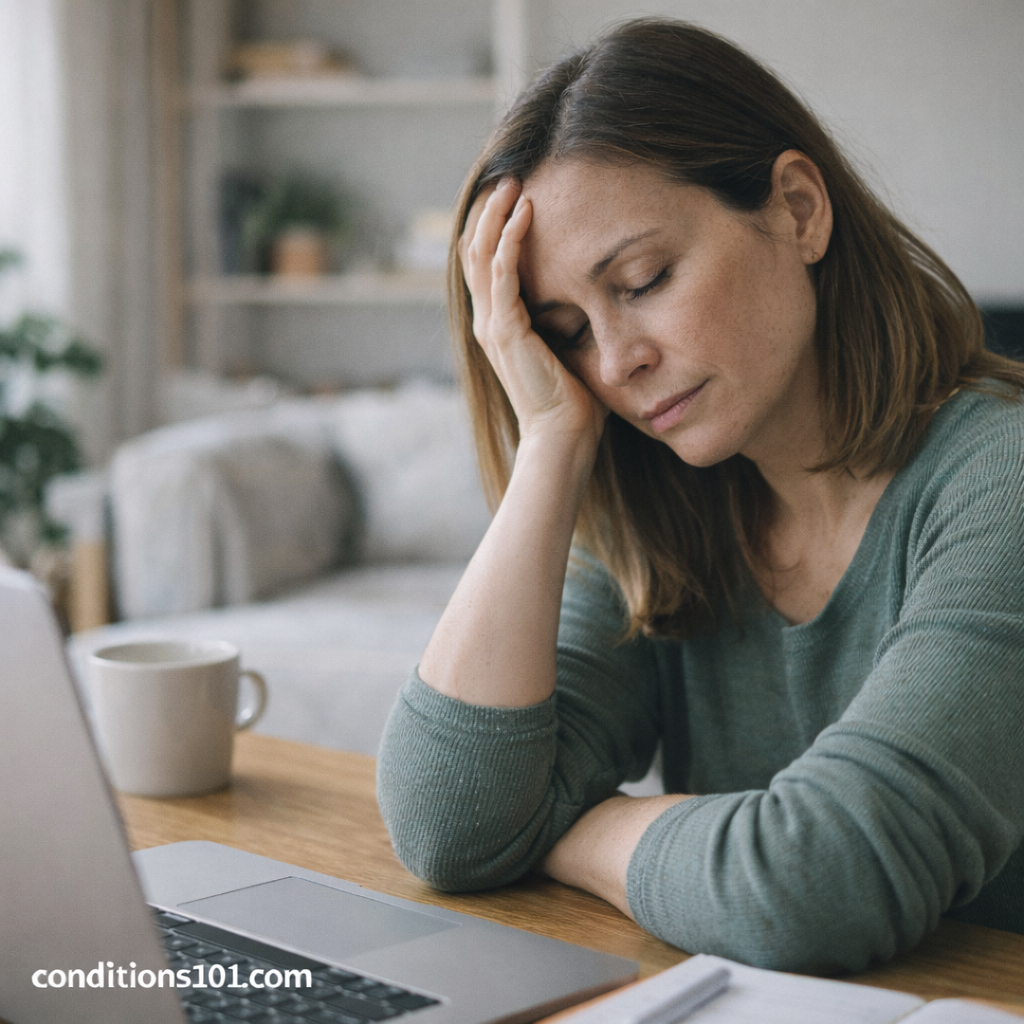
In some situations, fatigue and sleepiness occur at the same time. For example:
- Long workdays or extended mental effort
- Disrupted or shortened sleep schedules
- Repeated days of insufficient rest
In these cases, people may feel both low energy and a strong desire to sleep.
Common Situations Associated With Fatigue
Fatigue is often discussed in relation to:
- Extended physical activity
- Mental or cognitive overload
- Emotional demands
- Irregular routines or schedules
Fatigue may feel like the body or mind has run out of fuel, even if sleep has occurred.
Common Situations Associated With Sleepiness
Sleepiness is commonly linked to:
- Short or disrupted sleep
- Poor sleep timing
- Natural circadian rhythm dips, such as late night or early afternoon
Sleepiness often becomes more noticeable in calm or sedentary environments.
Why the Distinction Matters
Understanding the difference between fatigue and sleepiness helps:
- Improve clarity in sleep and energy discussions
- Explain why rest does not always restore energy
- Support better awareness of daily energy patterns
Using the correct term allows for more accurate communication about how a person is feeling.
How People Commonly Describe the Difference
People often describe the difference this way:
- Fatigue feels like “I don’t have the energy to do this.”
- Sleepiness feels like “I could fall asleep right now.”
Both experiences are valid and common, but they point to different underlying needs.
Key Takeaways
- Fatigue is a lack of energy, not necessarily a need for sleep
- Sleepiness is a strong urge to fall asleep
- Fatigue and sleepiness can occur separately or together
- Sleepiness usually improves with sleep, fatigue may not
- Understanding the difference supports clearer conversations about rest and energy
Recognizing whether someone is experiencing fatigue, sleepiness, or both helps explain how the body and mind respond to daily demands.